
Best Food Tours Around the World
The world's best food tours, from street food crawls to cooking classes, in cities where eating is the main attraction.
Food tours have become one of the most popular ways to experience a new city, and for good reason. A good food tour does more than feed you. It takes you to neighbourhoods you would never find on your own, introduces you to local vendors and chefs, explains the cultural significance of what you are eating, and gives you recommendations that last the entire trip. Here are the best food tours across the globe.
Tokyo, Japan
Tokyo is the undisputed food capital of the world, with more Michelin stars than any other city. A Tsukiji Market tour (starting early morning) introduces you to the freshest sushi, wagyu beef skewers, and tamagoyaki you will ever taste. For evening tours, an izakaya crawl through Shinjuku or Yurakucho takes you into tiny, atmospheric bars serving yakitori, sashimi, and local sake.
Mexico City, Mexico
Mexican food goes so far beyond what most people think they know. A street food tour through Mexico City reveals tacos al pastor (spit-roasted pork), tlacoyos (stuffed corn masa), tamales, quesadillas with unusual fillings (huitlacoche, or corn fungus, is a delicacy), and aguas frescas. Markets like Mercado de San Juan and Mercado de Jamaica are foodie paradise.
Istanbul, Turkey
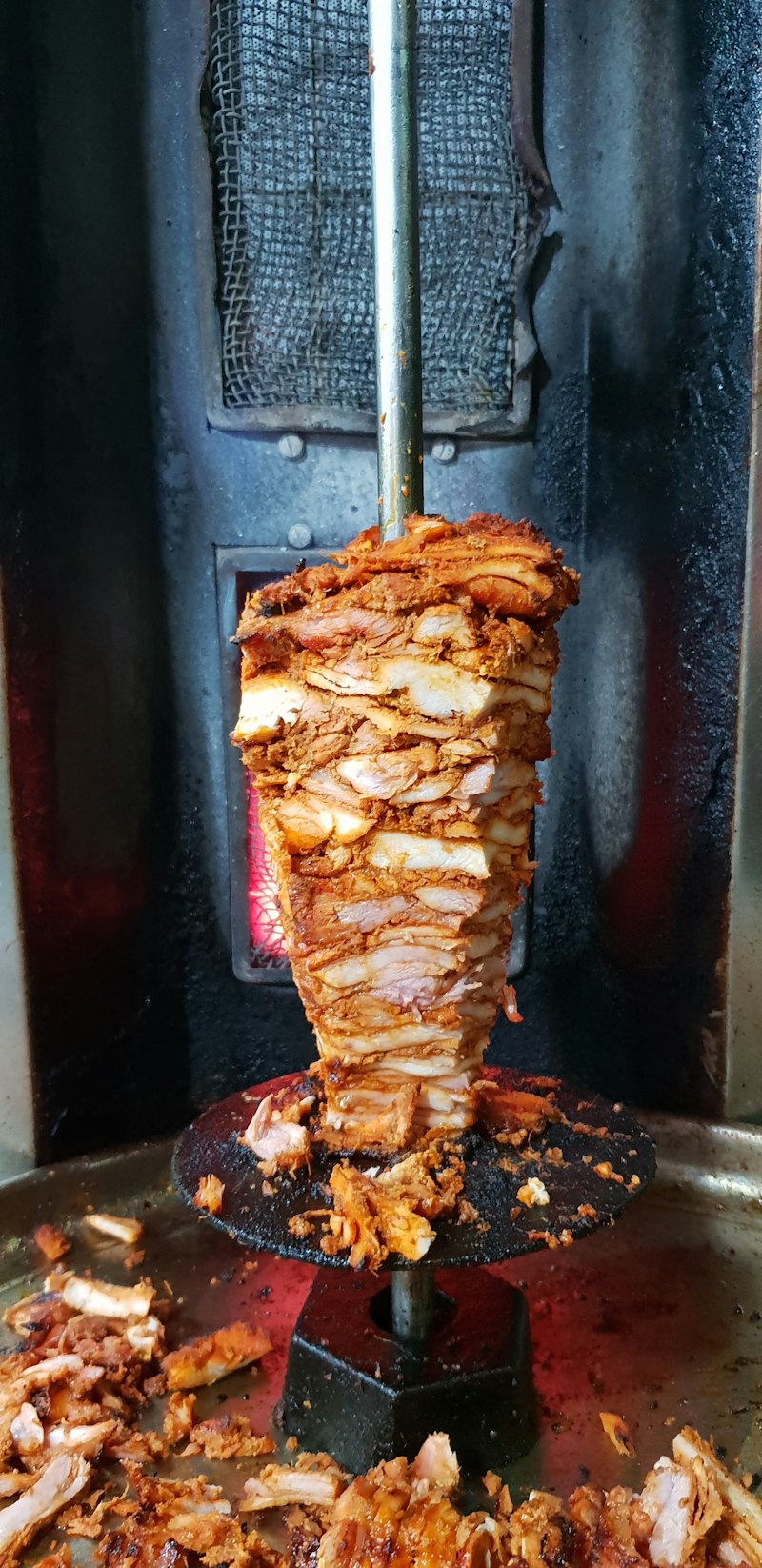
Turkish food tours in Istanbul typically include a traditional kahvalti (breakfast spread), street foods like simit, balik ekmek (fish sandwich), and lahmacun, visits to the Spice Bazaar, and a finale of baklava from a master pastry shop. The best tours cross between the European and Asian sides of the city to show the contrast in food cultures.
Rome, Italy
A Trastevere food tour in Rome covers suppli (fried rice balls), cacio e pepe, pizza al taglio, artisanal gelato, and local wines. Some tours include pasta-making classes where you learn to make fresh fettuccine from scratch. The Testaccio neighbourhood is another excellent food tour area, known as Rome's original "food district."
Bangkok, Thailand
Bangkok's street food scene is legendary. A guided tour through Chinatown (Yaowarat) after dark is one of the world's great food experiences, with smoky grills, steaming woks, and dozens of vendors serving pad thai, mango sticky rice, som tum (papaya salad), and grilled seafood. Prices are extraordinarily low; a full meal from a street stall costs under 2 pounds.
Marrakech, Morocco
A food tour through Jemaa el-Fna and the surrounding medina introduces you to tagine, pastilla, harira soup, mint tea, and freshly baked msemen bread. The sensory overload of Marrakech's food stalls is unlike anything in Europe, with piles of spices, dried fruits, and freshly squeezed orange juice on every corner.
Lima, Peru
Lima is South America's culinary capital. Food tours cover ceviche (Peru's national dish), lomo saltado, anticuchos (grilled beef heart), and pisco sours. The Miraflores and Barranco neighbourhoods have outstanding restaurant scenes. Peru's cuisine blends indigenous, Spanish, Japanese, and Chinese influences into something truly unique.
Barcelona, Spain
A La Boqueria market tour followed by a pintxos and tapas crawl through the Gothic Quarter is a Barcelona highlight. Try jamon iberico, pan con tomate, patatas bravas, and finish with churros con chocolate. The Gracia neighbourhood is another excellent food tour area with a more local, less touristy feel.
Lisbon, Portugal
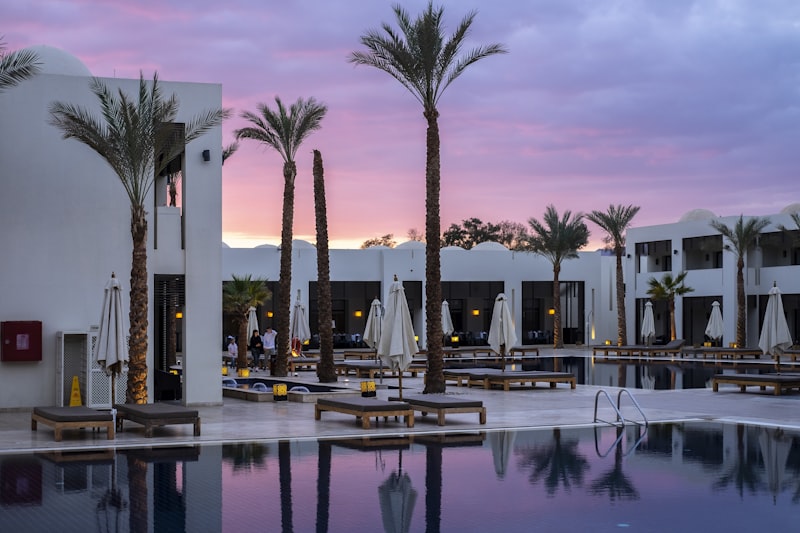
Lisbon food tours cover pasteis de nata, bacalhau, bifanas, ginjinha cherry liqueur, and local wines from the Douro Valley. The Mouraria and Alfama neighbourhoods have the most authentic food experiences, with family-run tascas (taverns) serving traditional Portuguese cooking at remarkably low prices.
Small-group and independent food tours (and why they beat the big bus operators)
Group size is the single biggest thing separating a memorable food tour from a forgettable one, and it is the number most listings bury. The thresholds that matter:
- Under 8 people. Effectively a private tour with strangers. The guide can take you into a family-run place with 20 covers, and you can eat sitting down rather than standing on a pavement.
- 8 to 12 people. The sweet spot for most cities. Everyone gets served in one round, there is no queue within the group, and there is still time for questions at each stop.
- 13 to 20 people. Workable, but stops get staged: the group splits, tastings arrive in waves, and you lose 10 minutes at every venue.
- 20 or more, usually coach-based. The venues have to be large enough to seat the whole group, which rules out exactly the places you booked a food tour to find. Expect a restaurant with a function room rather than a market stall.
Independent operators skew small because they are booking real tables at real neighbourhood businesses. The larger escorted operators have to standardise: a set menu, a venue with capacity, a fixed route that can be run twice a day. That is not a scam, it is just a different product, and it explains why two tours in the same city can differ by 60 pounds and feel like different holidays.
What to check before you book: the maximum group size in writing, whether the tour is walking or coach-based, how many separate venues you stop at (four to six is a proper tour, two is a meal), whether drinks are included, and whether the guide is a local resident or a seasonal contractor. A good listing states all five.
Food tour prices and durations by city
| City | Typical length | Tastings | Typical price per person |
|---|---|---|---|
| Rome | 3 to 4 hours | 6 to 8 | £55 to £100 |
| Barcelona | 3 to 4 hours | 6 to 10 | £50 to £95 |
| Lisbon | 3 to 3.5 hours | 6 to 9 | £45 to £85 |
| Istanbul | 4 to 6 hours | 8 to 12 | £40 to £90 |
| Tokyo | 3 to 3.5 hours | 5 to 8 | £60 to £110 |
| Bangkok | 3 to 4 hours | 8 to 12 | £25 to £60 |
| Mexico City | 3 to 4 hours | 8 to 12 | £30 to £70 |
| Marrakech | 3 to 4 hours | 6 to 10 | £30 to £70 |
| Lima | 3 to 4 hours | 6 to 10 | £35 to £80 |
These are typical ranges for well-rated small-group tours rather than fixed prices. Evening and market-plus-cooking formats sit at the top of each band, seasons move them, and premium versions with a sit-down final course go higher again. Always check the live price and the stated group size on the listing before booking.
Tips for Food Tours
- Come hungry. Most food tours include 6 to 10 tastings that add up to a full meal or more.
- Mention dietary restrictions when booking. Good tour operators can accommodate most needs with advance notice.
- Evening food tours often have a better atmosphere (especially in Mediterranean and Asian cities).
- Small group tours (under 12 people) mean shorter waits at food stops and more personal interaction with guides.
- Ask your guide for additional restaurant recommendations. They know the local food scene better than any guidebook.
Planning a trip to Rome?
We run a dedicated Rome site with our full tour guides, comparisons, and booking picks in one place. For everything Rome, visit best-rome-tours.com.
Frequently Asked Questions
Related Articles


Ready to Book Your Tour?
Browse hundreds of tours and experiences worldwide with free cancellation and best price guaranteed.
Browse All Tours