
Tokyo Food Tour Guide: What to Eat and Where
Tokyo has more Michelin stars than any other city on earth. Here is your guide to the best food tours and what to eat.
Tokyo holds more Michelin stars than any other city in the world. From tiny ramen counters with just eight seats to elaborate kaiseki restaurants, from street-side yakitori grills to conveyor-belt sushi, the Japanese capital is a food lover's paradise at every price point.
A guided food tour is one of the best ways to navigate Tokyo's overwhelming food scene. Local guides take you to places you would never find on your own, explain the etiquette, help with ordering, and share the stories behind the food. Here is everything you need to know about eating your way through Tokyo.
Tsukiji Outer Market
While the inner wholesale market moved to Toyosu in 2018, the Tsukiji Outer Market remains one of Tokyo's most exciting food destinations. Hundreds of small shops and stalls sell everything from the freshest sushi you will ever taste to tamagoyaki (Japanese omelette), wagyu beef skewers, and matcha desserts.
Arrive before 10am for the best experience. Many stalls sell out by early afternoon. A guided Tsukiji tour is valuable because the market can feel chaotic, and a guide will steer you to the best vendors and explain what you are eating.
Browse top-rated Tokyo food tours →
Ramen: A Deep Dive
Ramen in Tokyo is an obsession. The city has thousands of ramen shops, each with a devoted following. The main styles you will encounter are:
- Shoyu (soy sauce): The classic Tokyo style. Clear, brown broth with a savoury depth.
- Tonkotsu (pork bone): Rich, creamy, milky-white broth. Originally from Fukuoka but hugely popular in Tokyo.
- Miso: Hearty and slightly sweet. Originally from Hokkaido, perfect in colder months.
- Tsukemen: Dipping ramen where noodles and broth are served separately. The noodles are thicker and chewier.
Most ramen shops use a ticket machine (vending machine) at the entrance. Insert your money, press the button for your chosen bowl, and hand the ticket to the chef. Do not be intimidated. It is the standard system.
Izakaya Crawl in Shinjuku
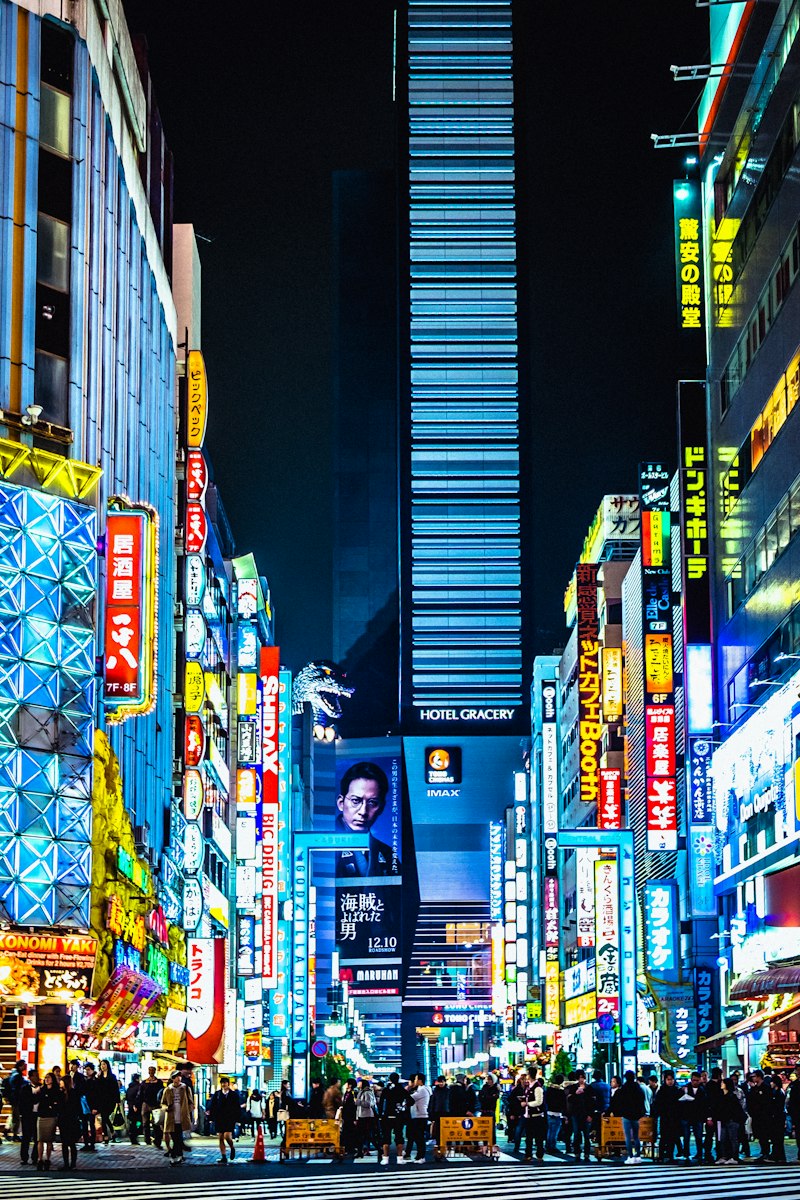
An izakaya is a Japanese pub, and an evening izakaya crawl through Shinjuku or Yurakucho is essential Tokyo eating. These small, atmospheric bars serve grilled skewers (yakitori), sashimi, edamame, fried chicken (karaage), and dozens of other small plates, all washed down with beer, sake, or highballs.
Memory Lane (Omoide Yokocho) near Shinjuku station is a narrow alley of tiny izakayas that has been operating since the post-war era. It is atmospheric, smoky, and absolutely authentic. A guided tour here helps enormously because most shops have Japanese-only menus and staff who speak limited English.
Browse Tokyo izakaya and street food tours →
Sushi: What to Know
Sushi in Tokyo ranges from standing-only counters (100 yen per plate) to omakase experiences costing 30,000 yen or more. For first-timers, a mid-range sushi restaurant (3,000 to 5,000 yen for lunch) offers extraordinary quality that would cost three times as much anywhere else in the world.
Key etiquette: eat nigiri in one bite, dip fish-side-down into soy sauce (not the rice), and do not rub your chopsticks together (it implies they are cheap). At high-end omakase counters, the chef decides what you eat based on what is freshest that day.
Street Food in Asakusa
The Nakamise-dori shopping street leading to Senso-ji Temple in Asakusa is lined with street food vendors. Try ningyo-yaki (cake filled with red bean paste), melon pan (sweet bread), and age-manju (deep-fried steamed buns). The side streets around Asakusa hide excellent tempura restaurants and traditional sweet shops.
Depachika: Department Store Food Halls
The basement floors of Tokyo's department stores (depachika) are mind-blowing food halls. Places like Isetan Shinjuku and Takashimaya Nihonbashi stock beautifully presented bento boxes, wagashi (Japanese sweets), fresh pastries, and prepared foods from top restaurants. It is like a gourmet supermarket on another level entirely.
Practical Food Tips for Tokyo
- Carry cash. Many small restaurants and izakayas do not accept cards.
- Lunch sets (teishoku) offer incredible value. Expect to pay 800 to 1,500 yen for a full meal.
- Do not tip. It is not customary in Japan and can cause confusion.
- Convenience stores (7-Eleven, Lawson, FamilyMart) sell surprisingly good food, including onigiri, sandwiches, and fresh pastries.
- If you have dietary restrictions, learn the relevant Japanese phrases or carry a translation card.
Browse Tokyo food tours and cooking classes →
Best Food Neighbourhoods in Tokyo
Shinjuku for izakayas and late-night eating. Tsukiji/Ginza for sushi and seafood. Shibuya for trendy cafes and international fusion. Yanaka for old-school Tokyo street food. Kagurazaka for upscale French-Japanese restaurants. Each neighbourhood has its own food personality, and exploring them is half the fun of eating in Tokyo.
Frequently Asked Questions
Related Articles


Ready to Book Your Tour?
Browse hundreds of tours and experiences worldwide with free cancellation and best price guaranteed.
Browse All Tours