Free cancellation on most toursBest price guaranteed

Adventure Travel Guide: Thrilling Experiences Worldwide

From volcano treks to bridge climbs and desert safaris, adventure travel offers some of the most unforgettable experiences in the world. Here is how to plan your next thrilling trip.

Published: 20 March 2026ยทUpdated: 20 March 2026

Types of Adventure Travel

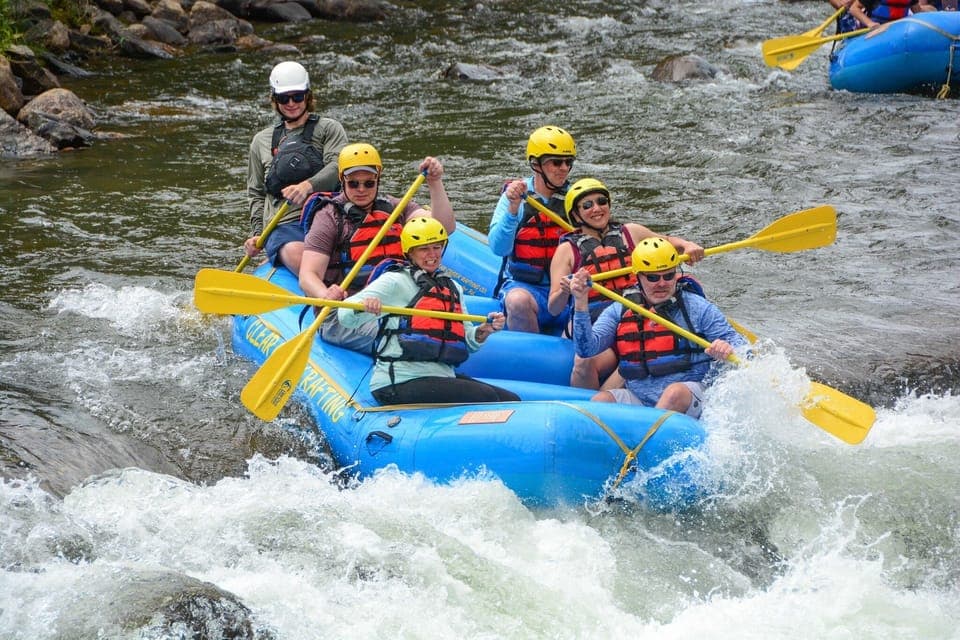
Adventure travel spans a huge spectrum, from mild to wild. At the accessible end, activities like guided hiking, snorkelling, and zip-lining require little prior experience and are suitable for most fitness levels. These make excellent introductions to adventure travel and are available at destinations worldwide, from Bali to Barcelona. Mid-level adventures include multi-day treks, white-water rafting, scuba diving, and rock climbing. These activities typically require a moderate level of fitness and may involve some training or certification. They offer a deeper sense of achievement and immersion in nature than casual activities, while still being safe and well-supported with professional guides. At the more extreme end, activities like mountaineering, canyoning, paragliding, and multi-day wilderness expeditions demand significant physical preparation and often specialised skills. These are not for beginners, but for experienced adventurers they provide the most intense and rewarding travel experiences. The key is to be honest about your fitness level and experience, and to choose activities that stretch your comfort zone without exceeding your capabilities.

Best Adventure Destinations

Bali is one of the world's best adventure destinations, combining volcanic landscapes, lush jungle, and warm ocean in a compact, affordable package. The Mount Batur sunrise trek is a bucket-list experience, starting at 2am for a pre-dawn climb to the summit in time for a spectacular sunrise over the caldera. Snorkelling, surfing, white-water rafting, and jungle hiking are all easily accessible. Sydney offers urban adventure at its finest. The Harbour Bridge Climb takes you to the summit of one of the world's most iconic bridges, 134 metres above the harbour, for panoramic views of the Opera House, city skyline, and ocean. The Blue Mountains, just 90 minutes from the city centre, provide world-class hiking through ancient eucalyptus forests and dramatic sandstone gorges. Dubai's desert provides a completely different adventure experience. Desert safaris combine dune bashing in 4x4 vehicles, sandboarding, camel riding, and sunset barbecues under the stars. The Sahara Desert, accessible from Marrakech, offers multi-day camel treks and nights in desert camps that feel genuinely remote and otherworldly. Japan's Mount Fuji is another iconic adventure, attracting hundreds of thousands of climbers during the July to September season.

Safety Considerations

Adventure activities carry inherent risks, and taking safety seriously is what separates a thrilling experience from a dangerous one. Always book with reputable, licensed operators. Check reviews, ask about guide qualifications, and confirm that the operator carries appropriate insurance. The cheapest option is rarely the safest, and in adventure travel, cutting corners on cost can mean cutting corners on safety. Listen to your guide and follow their instructions, even when it feels overly cautious. Guides assess conditions constantly and make decisions based on experience. If a guide cancels or modifies an activity due to weather, terrain conditions, or group capability, trust their judgement. The mountain, river, or ocean will still be there another day. Know your limits and communicate them honestly. There is no shame in turning back from a trek if you are struggling, opting out of an activity that feels beyond your comfort zone, or admitting that you are not fit enough for a particular challenge. Pushing through when your body or instincts are telling you to stop is how most adventure travel accidents happen. A good operator will support your decision without pressure.

Physical Preparation

The level of preparation you need depends entirely on the activity. For a desert safari or snorkelling trip, basic fitness is sufficient. For a volcano trek like Mount Batur or Mount Fuji, you should be comfortable walking uphill for several hours. For multi-day treks at altitude, start training at least 6 to 8 weeks before your trip. Cardiovascular fitness is the most important factor for most adventure activities. Running, cycling, swimming, or brisk walking for 30 to 45 minutes several times a week will build the endurance you need. If your adventure involves climbing or hiking, add stair climbing and hill walks to your routine. Carry a loaded backpack during training walks to simulate trail conditions. Altitude preparation deserves special attention if your adventure takes you above 2,500 metres. Altitude sickness affects people regardless of fitness level, and the only reliable prevention is gradual acclimatisation. If your activity involves a rapid ascent (like Mount Fuji in a single day), be aware of the symptoms of altitude sickness: headache, nausea, dizziness, and fatigue. Descend immediately if symptoms worsen. Stay hydrated and avoid alcohol at altitude.

What to Pack for Adventure

Your packing list depends on your specific activity, but some items are universally useful. A quality pair of hiking boots or trail shoes (already broken in before your trip) is essential for any trek or outdoor activity. Blisters from new shoes can ruin an otherwise incredible experience, so wear your footwear on several long walks before you travel. Layering is the key to comfort in outdoor activities where conditions can change rapidly. A moisture-wicking base layer, an insulating mid-layer (fleece or lightweight down), and a waterproof outer shell cover most conditions. For tropical adventures, quick-dry clothing, a wide-brimmed hat, and reef-safe sunscreen are priorities. A headlamp is invaluable for early-morning starts, night activities, and emergencies. A dry bag keeps your phone, wallet, and documents safe during water-based activities. A reusable water bottle with a filter (like a LifeStraw bottle) lets you refill from natural sources when clean water is not available. Pack a basic first-aid kit with blister plasters, painkillers, anti-inflammatory tablets, and any personal medications. For multi-day adventures, energy bars, electrolyte tablets, and a compact microfibre towel are essential additions.

Related Tours

Frequently Asked Questions

More Travel Guides