Choosing the Right Destination
The best family destinations combine short flight times (for younger children), family-friendly infrastructure, and a variety of activities that keep kids engaged without exhausting the adults. For European families, Barcelona, London, and Paris tick all these boxes with excellent public transport, world-class attractions, and a mix of outdoor spaces and indoor activities for rainy days.
Consider the ages of your children when choosing a destination. Toddlers do best with shorter flights, familiar food options, and destinations with beaches or parks where they can run around. School-age children are old enough to enjoy museums, historic sites, and cultural experiences, especially when presented through engaging guided tours designed for families. Teenagers appreciate cities with a cool factor, like Barcelona, Dubai, or Tokyo.
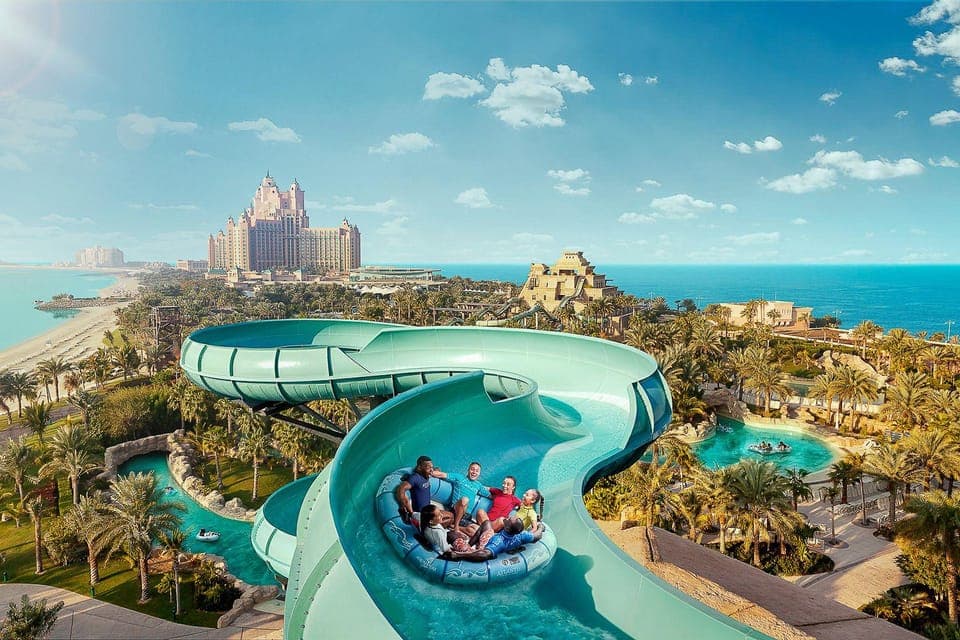
Dubai has become one of the most popular family destinations in recent years, with purpose-built attractions like theme parks, aquariums, and indoor snow centres alongside beaches and desert experiences. The weather is reliable from October to April, and the city is extremely safe and clean. Bali offers a more adventurous family trip with rice terraces, temples, and snorkelling in warm, calm waters.
Flying with Children
Preparation is the key to a smooth flight with kids. Pack a carry-on bag dedicated to entertainment and essentials: tablets loaded with downloaded shows and games, colouring books, snacks, a change of clothes, and any comfort items like a favourite toy or blanket. Noise-cancelling headphones sized for children are worth their weight in gold on longer flights.
Book seats in advance to make sure your family sits together. Bulkhead rows offer more legroom and often have bassinets for babies, but request these early as they are in high demand. For toddlers who still nap, try to book flights that overlap with their usual sleep schedule. A tired child who falls asleep on the plane is a much easier travel companion than one who missed their nap.
Arrive at the airport with plenty of time to spare. Rushing through security with children and pushchairs is a recipe for stress. Most airports have family lanes at security and dedicated play areas past the gates. Let younger children burn off energy in these spaces before boarding. Bring empty water bottles to fill after security, and pack more snacks than you think you will need.
Family-Friendly Tours
Guided tours are one of the best ways to experience a destination with children because someone else handles all the logistics. Look for tours specifically designed for families, as these tend to be shorter, more interactive, and paced for younger attention spans. Many operators offer private family tours where the guide can tailor the experience to your children's ages and interests.
Walking tours work well for families with older children and teenagers. A good guide brings history and culture to life with stories and anecdotes that engage young minds far better than reading plaques or guidebook entries. For younger children, bike tours, boat tours, and food tours are excellent because they add an element of novelty and fun to the experience.
Skip-the-line tickets are particularly valuable when travelling with children. Waiting in long queues with bored, hot kids is nobody's idea of fun. Attractions like the Eiffel Tower, Colosseum, Sagrada Familia, and the London Eye all offer timed-entry or priority-access tickets that let you walk straight in. The small premium is well worth it for the time and stress you save.
Keeping Kids Entertained
The secret to happy family travel is balancing structured activities with free time. Do not try to cram too many sights into a single day. Children need downtime to process new experiences, and a couple of hours in a park or at a swimming pool between attractions can prevent meltdowns and keep everyone's energy levels up.
Turn sightseeing into a game. Give each child a disposable camera or let them use a phone to photograph specific things (red doors, funny signs, animals). Create a simple scavenger hunt for each destination. Many museums and galleries offer free children's activity sheets or audio guides designed for younger visitors, so ask at the entrance.
Local experiences often create the best family memories. Visiting a food market and letting children choose ingredients for a picnic, taking a cooking class together, or simply playing in a local playground alongside local families can be more memorable than any famous landmark. Allow room in your itinerary for spontaneous discoveries and detours.
Health & Safety
Pack a well-stocked first-aid kit with child-appropriate medications, including paracetamol, antihistamines, oral rehydration sachets, and plasters. If your children take any prescription medication, bring enough for the entire trip plus a few extra days, along with a copy of the prescription. Check whether your travel insurance covers all family members and any pre-existing conditions.
Sun protection is critical, especially in hotter destinations. Pack high-SPF sunscreen designed for children, sun hats, and UV-protective swimwear. Apply sunscreen regularly and encourage water intake throughout the day. Heatstroke and dehydration can escalate quickly in young children, so take breaks in shaded or air-conditioned spaces during the hottest hours.
Teach older children basic safety rules: memorise the hotel name and address, know the local emergency number, and establish a meeting point in case anyone gets separated in a crowd. For younger children, consider ID bracelets with your phone number. Keep a recent photo of each child on your phone in case you need to show it to security or police.
Packing for Families
Packing for a family requires strategic thinking. Make a list for each family member and pack outfits for each day rather than individual items. Roll clothes to save space and use packing cubes to keep each person's belongings separate, which makes unpacking and repacking at each destination much faster.
Bring layers regardless of destination. Aircraft cabins, air-conditioned museums, and evening breezes can all catch you out. A light rain jacket for each family member takes up minimal space and saves you from buying expensive emergency ponchos at tourist attractions. Quick-dry clothing is ideal for active holidays where laundry access may be limited.
For families with babies or toddlers, a lightweight travel pushchair (or carrier for adventurous trips) is essential. Check whether your accommodation provides a cot before you leave. Pack a collapsible changing mat, a small supply of nappies and wipes for the journey (buy the rest at your destination to save luggage space), and familiar snacks and a bottle or sippy cup for the flight.