Free cancellation on most toursBest price guaranteed

Best Time to Visit Popular Destinations

Timing your trip right can mean better weather, smaller crowds, and lower prices. Here is when to visit the world's most popular destinations for the best experience.

Published: 20 March 2026ยทUpdated: 20 March 2026

Europe: Spring and Autumn Are Best

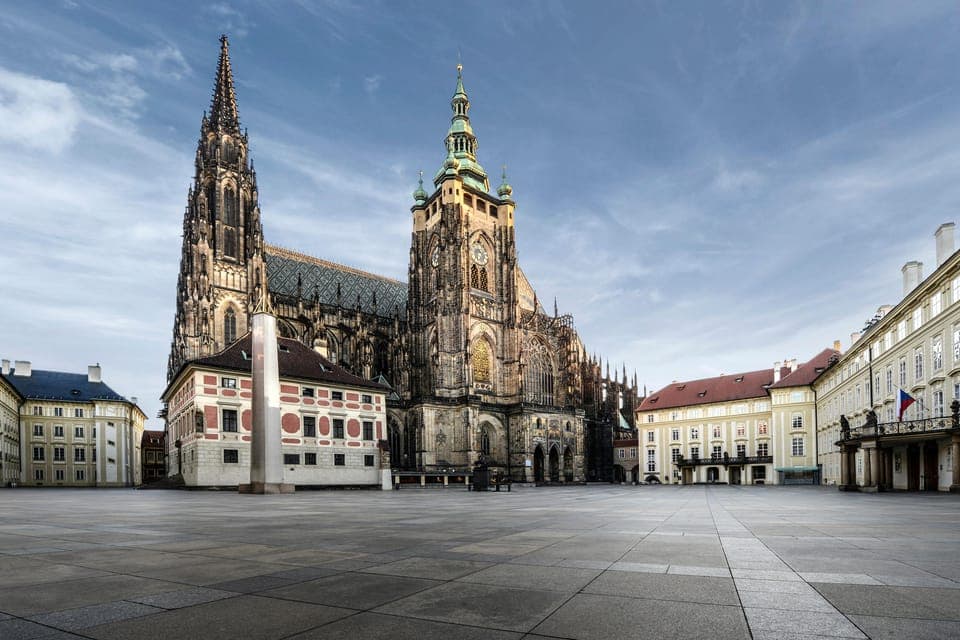
The best time to visit most European destinations is during the shoulder seasons: April to June and September to October. During these months, the weather is warm and pleasant without the intense heat of July and August. Crowds are noticeably thinner, especially at popular attractions like the Eiffel Tower, Colosseum, and Sagrada Familia. Accommodation prices drop by 20 to 40 percent compared to peak summer. Paris is at its most beautiful in April and May when the gardens are in bloom and temperatures hover around a comfortable 15 to 20 degrees. Rome and Barcelona are best in May, June, or September when it is warm enough for outdoor dining without the sweltering heat that can make summer sightseeing exhausting. October brings stunning autumn colours and pleasant temperatures across most of the continent. Northern European destinations like Amsterdam and London have a shorter peak season. Amsterdam is spectacular in mid-April when the tulips bloom at Keukenhof, and London enjoys its longest days and mildest weather from May to September. Prague has a distinct winter appeal too, with its famous Christmas markets drawing visitors in December. Istanbul straddles Europe and Asia and is best visited from April to June or September to November, avoiding the humid summer months.

Southeast Asia: November to March

The dry season in most of Southeast Asia runs from November to March, making these months the ideal time to visit countries like Thailand, Vietnam, Cambodia, and Indonesia. Rainfall is minimal, temperatures are warm but not oppressive, and humidity is at its lowest. This is the peak tourist season, so booking accommodation and popular tours in advance is advisable. Bangkok is best visited between November and February when temperatures drop to a more comfortable 25 to 32 degrees and rainfall is rare. Bali has a slightly different pattern, with the dry season running from April to October, making it one of the few Southeast Asian destinations that peaks during the Northern Hemisphere summer. The monsoon season (roughly June to October across most of the region) should not be automatically avoided. Rain typically falls in short, intense bursts rather than all-day downpours, and prices are significantly lower. If you do not mind occasional wet afternoons, visiting during the shoulder months of October or March can give you lower prices with still-reasonable weather. Just avoid September and October if visiting coastal areas, as this is peak typhoon season in some parts of the region.

Middle East: October to April

The Middle East has a clear travel calendar dictated by temperature. Summers are brutally hot, with Dubai regularly exceeding 45 degrees and even Istanbul becoming uncomfortably warm. The cooler months from October to April are the prime visiting season, with temperatures in the pleasant 20 to 30 degree range across most destinations. Dubai is best visited between November and March when outdoor activities, desert safaris, and beach days are all comfortable. The city runs at full capacity during this period with events, festivals, and the best weather. January and February see the most pleasant temperatures, around 24 degrees on average, but are also the busiest and most expensive months. Istanbul has a Mediterranean climate that makes spring (April to June) and autumn (September to November) ideal. These months avoid both the winter chill and summer humidity while offering moderate tourist numbers. Marrakech follows a similar pattern: spring and autumn are perfect, summer is extremely hot, and winter can be surprisingly cold in the evenings and at altitude in the Atlas Mountains.

Australia and New Zealand: September to November
The Southern Hemisphere seasons are reversed, so the Australian and New Zealand summer (December to February) corresponds with the European and North American winter. This makes these destinations appealing for travellers looking to escape cold weather at home. However, peak season also means peak prices and crowds, especially around Christmas and New Year. Spring in Australia (September to November) is arguably the best time to visit. The weather is warm and sunny across most of the country, wildflowers bloom in Western Australia, and whale watching season is in full swing along the east coast. Sydney is comfortable and sunny, and the harbour sparkles. Prices are lower than the December to January peak, and attractions are less crowded. New Zealand is at its best from October to April, with the warmest and driest conditions. For specific activities, the skiing season runs from June to September, and the Great Walks (hiking trails) are best from late October to April. Bali, which is geographically close and a popular add-on to Australian trips, has its dry season from April to October, making it an ideal extension to a Southern Hemisphere itinerary.

Japan: Cherry Blossom and Autumn Leaves

Japan has two standout seasons that attract visitors from around the world. Cherry blossom season (late March to mid-April) transforms the entire country into a pink and white spectacle. Parks, temples, and riverbanks become celebration spots for hanami (flower viewing), and the atmosphere is magical. Book well in advance for this period, as it is the most popular time to visit. Autumn (late October to November) is equally spectacular but slightly less crowded. The maple leaves turn vivid shades of red, orange, and gold, creating stunning landscapes at temples in Kyoto, gardens in Tokyo, and mountains across the country. The weather is crisp and clear, ideal for sightseeing and hiking. Summer (July and August) in Japan is hot and humid, with temperatures regularly exceeding 35 degrees in Tokyo. The rainy season (tsuyu) typically lasts from mid-June to mid-July. Winter (December to February) is cold but offers unique experiences: snow festivals in Hokkaido, excellent skiing, and fewer tourists at major attractions. Tokyo itself rarely sees heavy snow and is perfectly visitable year-round.

Planning Around Events and Holidays

Major events and religious holidays can significantly affect your travel experience. Ramadan impacts travel across the Muslim world, with many restaurants closed during daylight hours and a different daily rhythm. The exact dates shift each year (following the lunar calendar), so check before booking trips to Morocco, Turkey, Dubai, or Indonesia. The evening celebrations and iftar meals can be a wonderful cultural experience if you plan for it. Chinese New Year (late January or February) brings massive domestic travel across Asia. Tourist sites in China, Vietnam, and parts of Southeast Asia become extremely crowded, and prices surge. The festive atmosphere is incredible, but be prepared for crowds and book everything well in advance. Similarly, Songkran (Thai New Year in April) turns Bangkok into a massive water fight and is a unique experience, though some travellers prefer to avoid the chaos. European school holidays vary by country but generally run from late June to early September. Coastal destinations in Spain, France, Italy, and Greece are at their busiest during this period. Half-term breaks in February and October also cause short spikes in prices and crowds. If you can travel outside these windows, you will benefit from lower prices and a more relaxed atmosphere at every destination.

Related Tours

Frequently Asked Questions

More Travel Guides