Free cancellation on most toursBest price guaranteed

Barcelona Walking Tours: Gothic Quarter, Gaudi & Tapas

Barcelona is a city made for walking. From the medieval Gothic Quarter to Gaudi masterpieces and lively tapas bars, these walking tours reveal the best of the Catalan capital.

Published: 28 March 2026ยทUpdated: 28 March 2026

Why Walking Tours Work So Well in Barcelona

Barcelona is one of those rare cities where the most rewarding experiences happen on foot. The compact historic centre, the wide boulevards of the Eixample district, and the beachfront promenade all connect seamlessly, making it possible to cover enormous ground without ever needing a bus or taxi. The weather cooperates too, with over 300 sunny days per year and mild temperatures that make outdoor exploration comfortable in almost every season. Walking tours in Barcelona also solve a common problem: the city's most interesting details are easy to miss if you do not know where to look. Hidden courtyards behind unassuming doors, tiny squares where locals gather for vermouth, Roman ruins beneath medieval buildings, and architectural details on facades that most people walk past without noticing. A good local guide transforms a pleasant stroll into a rich cultural experience. The city's tour scene is mature and competitive, which works in your favour. Prices are reasonable, guide quality is generally high, and there is a tour for virtually every interest. Whether you want a deep dive into Gothic architecture, a Gaudi-focused route, a tapas crawl, or a combination of all three, Barcelona delivers some of the best walking tour experiences in Europe.

Gothic Quarter Walking Tours

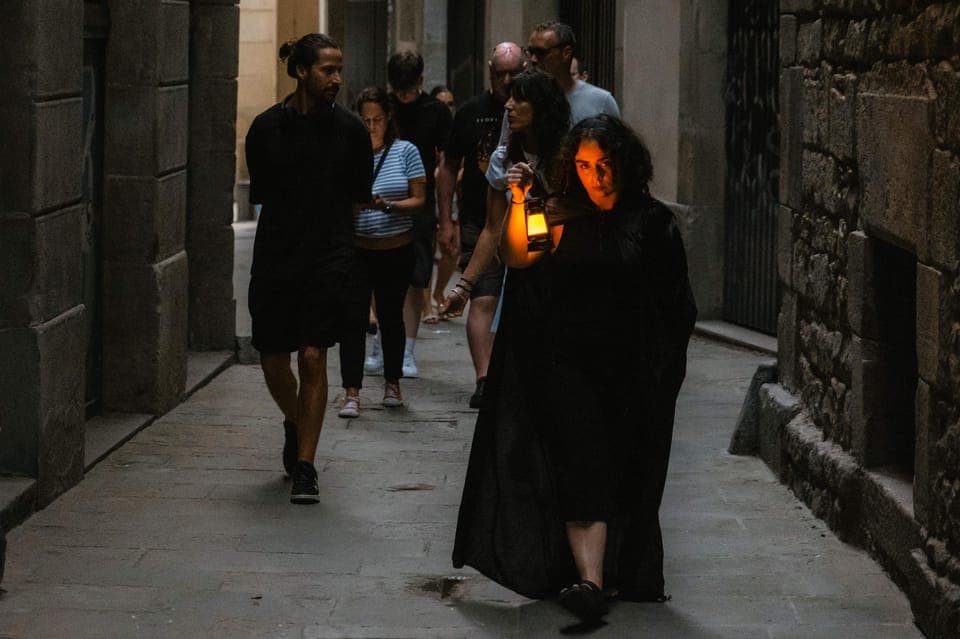
The Barri Gotic (Gothic Quarter) is the heart of old Barcelona, a labyrinth of narrow medieval streets, hidden squares, and buildings dating back to Roman times. A walking tour here typically lasts 2 to 2.5 hours and covers the Cathedral of Barcelona, Placa del Rei (where Ferdinand and Isabella received Columbus after his first voyage), the old Jewish Quarter, and the atmospheric Placa de Sant Felip Neri, scarred by shrapnel from the Spanish Civil War. Good Gothic Quarter tours cost 15 to 30 EUR per person and operate in small groups of 10 to 20 people. The best guides weave together 2,000 years of history, from the Roman city of Barcino (you can see sections of the original walls) through the medieval trading empire, the Spanish Civil War, and Franco's dictatorship, to the vibrant, independent-minded city of today. The Gothic Quarter is also where you will find some of Barcelona's best food: tiny tapas bars, traditional Catalan restaurants, and gourmet shops selling local cheeses, cured meats, and wines. Many walking tours end near La Boqueria market or one of the excellent food streets, making it easy to transition from sightseeing to lunch. For the best experience, book a morning tour (the light in the narrow streets is beautiful before noon) and plan to linger in the neighbourhood afterwards.

Recommended Tours

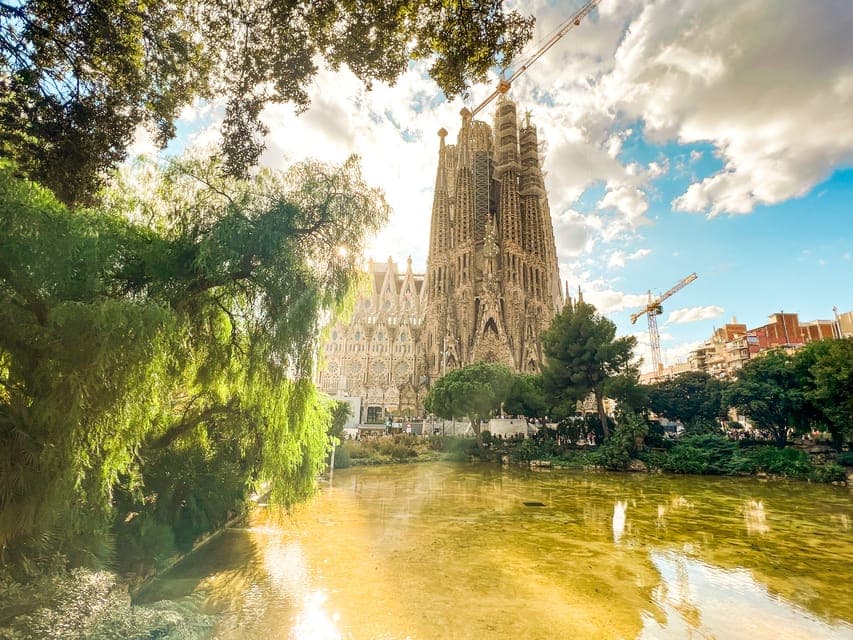
Sagrada Familia basilica exterior in Barcelona

Sagrada Familia

4.7
(29.8k+)
From โ‚ฌ471.5 hours
Book Now
Colourful mosaic work at Park Guell in Barcelona

Park Guell

4.5
(16.4k+)
From โ‚ฌ221.5 hours
Book Now

Gaudi Architecture Tours

Antoni Gaudi's buildings define Barcelona's skyline and attract millions of visitors annually. The Sagrada Familia, his unfinished masterpiece, is the most visited monument in Spain and one of the most extraordinary buildings on Earth. Construction began in 1882 and is expected to be completed by 2026, making this a particularly exciting time to visit as the finishing touches come together. A Gaudi walking tour typically combines the Sagrada Familia (with skip-the-line entry) and Park Guell, along with exterior views of Casa Batllo and Casa Mila (La Pedrera) along the Passeig de Gracia. Full Gaudi tours last 4 to 5 hours and cost 65 to 90 EUR including admission tickets. The guide explains Gaudi's unique philosophy of organic architecture, his obsession with natural forms, and the engineering innovations that were decades ahead of their time. If budget is a concern, you can split the experience. Book a skip-the-line Sagrada Familia tour (35 to 50 EUR, 1.5 hours) as your priority. The interior is genuinely awe-inspiring: the forest-like columns, the kaleidoscopic stained glass windows, and the sheer scale of the nave create an atmosphere unlike any other building in the world. Park Guell can be visited independently (the monumental zone requires a timed ticket at 10 EUR), though a guide adds valuable context about Gaudi's vision for the space.

Tapas and Food Walking Tours

Barcelona's food scene is one of Europe's finest, blending traditional Catalan cuisine with innovative modern cooking. A tapas walking tour is the most enjoyable way to discover the local food culture, taking you to 4 to 6 family-run bars and restaurants where you sample authentic dishes paired with local wines, cava, or vermouth. Popular food tour routes cover the Born neighbourhood, the Eixample district, or Barceloneta (the seafood quarter near the beach). A typical tour lasts 3 to 4 hours, includes 10 to 15 tastings with drinks, and costs 65 to 90 EUR per person. Common tastings include patatas bravas, jamon iberico, pintxos, pan con tomate, croquetas, fresh seafood, and crema catalana for dessert. The portions are generous; treat the tour as a full meal. La Boqueria market on La Rambla is often included in food tours and is worth a stop even independently. Arrive before 10:00 for the best experience when the stalls are freshly stocked and the crowds are manageable. By midday it becomes extremely crowded and some vendors raise prices for tourists. A guided market visit teaches you what to look for, what is in season, and how to eat like a local rather than falling into the tourist trap stalls near the entrance.

Recommended Tours

Narrow medieval street in Barcelona's Gothic Quarter

Gothic Quarter Tour

4.7
(11.8k+)
From โ‚ฌ202 hours
Book Now
Spanish tapas dishes on a wooden table

Barcelona Food Tour

4.8
(10.2k+)
From โ‚ฌ693 hours
Book Now

La Rambla and Waterfront Walks

La Rambla is Barcelona's most famous street: a tree-lined pedestrian boulevard stretching from Placa de Catalunya down to the harbour. It is lively, colourful, and perpetually crowded, lined with flower stalls, street performers, cafes, and shops. A walking tour that includes La Rambla gives you context about the street's history and helps you navigate past the tourist traps to the genuinely interesting spots. Fair warning: La Rambla itself is one of Barcelona's most overrated tourist experiences if you just wander down it independently. The cafes along the boulevard are overpriced, the "human statues" can be aggressive about tips, and pickpocketing is unfortunately common. A guided tour helps you see La Rambla for what it really is (an important historical and social artery of the city) while steering you to the worthwhile side streets and hidden gems just off the main drag. The waterfront extension from the bottom of La Rambla through Port Vell to Barceloneta beach makes for a lovely walk, either guided or independent. The old harbour has been beautifully redeveloped with the Rambla de Mar walkway leading to the Maremagnum shopping centre, and the fishing quarter of Barceloneta retains much of its working-class character despite gentrification. Sunset along the Barceloneta promenade is one of Barcelona's most pleasant free experiences.

Montjuic and Park Guell

Montjuic is the large hill overlooking the harbour, home to the 1992 Olympic venues, several excellent museums, the imposing castle, and some of Barcelona's best viewpoints. A walking tour of Montjuic typically combines the castle, the Fundacio Joan Miro (one of Europe's best modern art museums), the Olympic Ring, and the Magic Fountain, which puts on a spectacular light and music show on weekend evenings. Getting to Montjuic is part of the fun. The cable car from Barceloneta beach soars over the harbour and provides stunning aerial views of the city and coastline. Alternatively, the funicular from Parallel metro station is a more budget-friendly option. Once on the hill, the paths wind through gardens, past sculptures, and to various viewpoints that offer different perspectives of Barcelona and the Mediterranean. Park Guell, on the other side of the city, is another hilltop attraction worth combining with a walking tour. The mosaic terraces, the dragon fountain, and the undulating bench with panoramic city views are iconic Barcelona images. The monumental zone (where all the famous Gaudi elements are) requires a timed entry ticket. Visit early morning or late afternoon for the best light and smaller crowds. The free zones of the park are also beautiful and offer excellent views without the timed entry requirement.

Recommended Tours

Montserrat Monastery perched among mountain peaks

Montserrat Day Trip

4.6
(13.2k+)
From โ‚ฌ55Half day (5 hours)
Book Now

Practical Tips for Barcelona Walking Tours

Comfortable shoes are absolutely essential for Barcelona walking tours. The Gothic Quarter has uneven stone surfaces, the Eixample has long blocks, and both Montjuic and Park Guell involve hills and steps. Trainers or comfortable walking sandals are ideal. Heels and flip-flops will cause problems. Sun protection is important for most of the year. Barcelona gets intense Mediterranean sun, and walking tours involve extended periods outdoors. Bring a hat, sunglasses, and sunscreen. Carry a refillable water bottle; there are public drinking fountains throughout the city. In summer (July and August), morning tours are strongly recommended as afternoon temperatures regularly exceed 30 degrees Celsius. Pickpocketing is a real issue in Barcelona, particularly on La Rambla, in the metro, and at popular tourist spots. Use a cross-body bag, keep your phone in a front pocket, and be wary of anyone who approaches you with a "petition" or "friendship bracelet." This should not put you off the city (it is otherwise very safe), but basic awareness goes a long way. Most tour guides will remind you about this at the start.

Building Your Barcelona Walking Tour Itinerary

For a 3 to 4 day visit, here is how to structure your walking tours for the best experience. On day one, start with a Gothic Quarter morning walking tour to orient yourself in the city and absorb the history. Spend the afternoon exploring La Boqueria market and the Born neighbourhood independently. Day two should be your Gaudi day. Book a morning Sagrada Familia skip-the-line tour, then walk along Passeig de Gracia to admire Casa Batllo and Casa Mila. In the afternoon, head to Park Guell (book a timed entry for around 15:00 to 16:00 for beautiful light). This is a full day but covers Barcelona's most iconic architectural highlights. Day three is for food. Book an evening tapas walking tour (these tend to run from 18:00 to 21:30 and capture the authentic Spanish eating schedule). Use the daytime for Barceloneta beach, the Montjuic cable car, or the Picasso Museum. If you have a fourth day, a Montserrat day trip combines a spectacular mountain monastery with wine tasting in the Penedes region and makes for an excellent contrast to the urban walking tours.

Related Tours

Frequently Asked Questions

More Travel Guides