Free cancellation on most toursBest price guaranteed

Best Street Art Tours Around the World

Street art has transformed cities worldwide into open-air galleries. These are the best street art tours for discovering murals, graffiti, and urban creativity.

Published: 30 March 2026ยทUpdated: 30 March 2026

Amsterdam: From Squatter Culture to Gallery Walls

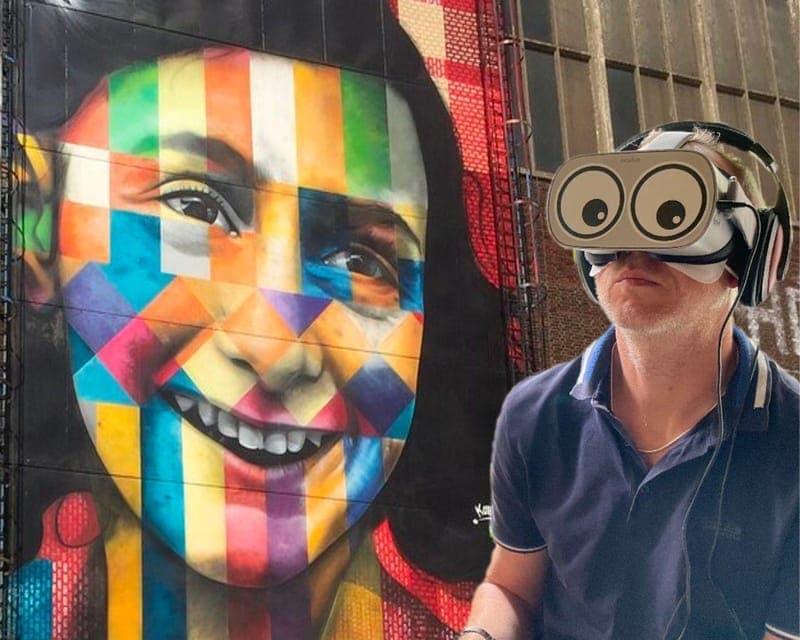
Amsterdam's street art scene grew out of the city's squatter movement of the 1980s, when artists transformed abandoned buildings into creative spaces. Today, the NDSM Wharf in Amsterdam-Noord is the epicentre of the city's urban art, with massive warehouse walls covered in works by internationally recognised artists. A ferry ride from Central Station takes you to this former shipyard turned creative hub, where the scale and quality of the murals rival anything you will find in Berlin or London. Guided street art tours in Amsterdam typically cover NDSM, the Spuistraat area in the city centre, and hidden pieces throughout the Jordaan and De Pijp neighbourhoods. The best guides are connected to the local art community and can explain the stories behind individual pieces, from political statements about housing crises to tributes to the city's cycling culture. Many tours also visit legal painting walls where you can watch artists at work. What makes Amsterdam's street art distinctive is its integration into the city's broader creative identity. The line between street art, gallery art, and commercial design is deliberately blurred here, with many prominent Dutch street artists exhibiting in both contexts. The Straat Museum at NDSM, dedicated entirely to street art and graffiti, is the largest of its kind in the world.

Barcelona: The Gothic Quarter and Beyond

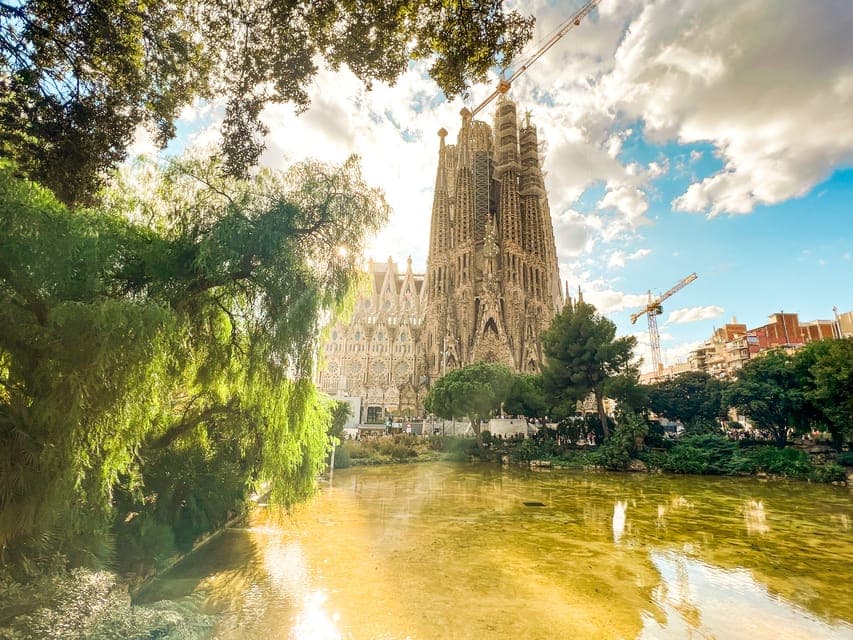
Barcelona's street art scene thrives in the tension between the city's Gothic medieval architecture and its reputation as a hub of modern creativity. The El Raval neighbourhood, once one of the grittiest areas of the city, has become an open-air gallery where massive murals cover entire building facades. The narrow streets create natural frames for the artwork, and the contrast between centuries-old stone walls and vibrant contemporary paint is visually striking. The Gothic Quarter and Born neighbourhoods offer a more intimate street art experience, with smaller stencil works, paste-ups, and tile mosaics hidden in alleyways and on shuttered shopfronts. Local guides know exactly where to look and can explain the Catalan political context that drives much of the art. The independence movement, housing activism, and cultural identity are recurring themes that give Barcelona's street art a charged, purposeful energy that goes beyond decoration. Poblenou, a former industrial district now rebranded as the city's innovation quarter, is Barcelona's newest street art hotspot. The annual Poblenou Open Day invites artists to transform warehouse walls and factory facades, creating a constantly evolving outdoor exhibition. Guided tours here often include stops at local studios and creative coworking spaces, connecting the street art to Barcelona's broader creative economy.

Recommended Tours

Colourful street art mural on a building in Amsterdam Noord

Street Art Tour

4.6
(900)
From โ‚ฌ252.5 hours
Book Now
Narrow medieval street in Barcelona's Gothic Quarter

Gothic Quarter Tour

4.7
(11.8k+)
From โ‚ฌ202 hours
Book Now

London: Shoreditch, Brick Lane, and Banksy

London's East End, particularly Shoreditch and Brick Lane, is one of the most celebrated street art destinations in the world. The area's transformation from neglected industrial zone to creative hub happened alongside the rise of artists like Banksy, Stik, and Ben Eine, whose works have become as much a part of the neighbourhood's identity as the curry houses and vintage markets. A walking tour here reveals new pieces almost weekly, as walls are constantly repainted and refreshed. The concentration of art in Shoreditch is remarkable. Every surface seems to carry some form of creative expression, from towering murals on building sides to tiny stencils on electrical boxes. Guided tours explain the evolving relationship between street art, gentrification, and commerce in the area. Some of the most valuable pieces have been preserved behind Perspex, while others are deliberately left to weather and eventually be painted over, reflecting the impermanent nature of the art form. Beyond the East End, street art tours in London now extend to Brixton, Camden, and Leake Street Tunnel near Waterloo, which is London's largest legal graffiti wall. The Leake Street tunnel is particularly impressive, with the entire interior covered in constantly changing works. London street art tours typically cost 15 to 25 GBP and last around two hours, making them one of the best value cultural experiences in an otherwise expensive city.

New York: From the Bronx to Bushwick

New York is where modern graffiti culture was born, emerging from the subway cars and abandoned buildings of the Bronx in the 1970s. Today, the Bushwick Collective in Brooklyn is the city's premier outdoor street art gallery, with entire blocks of warehouse walls dedicated to rotating murals by local and international artists. The annual block party in June attracts thousands of visitors and dozens of artists painting live, making it one of the best times to visit. The evolution of New York's relationship with street art mirrors the city's broader cultural shifts. What was once criminalised and aggressively removed is now celebrated, commissioned, and protected. The Bowery Wall in Manhattan has hosted works by Keith Haring, Banksy, and JR, while the Houston Bowery mural wall rotates major commissioned pieces every few months. A guided tour through the Lower East Side and SoHo reveals layers of this history, from faded 1980s tags to pristine new installations. Harlem and the Bronx offer a different perspective on New York street art, rooted in the community murals and political expression that preceded the contemporary art market's embrace of the form. Tours in these neighbourhoods connect the artwork to the social and cultural movements that produced it, from hip-hop culture to the civil rights movement. The depth of history and the sheer volume of work make New York an essential destination for any street art enthusiast.

Recommended Tours

Colourful street art mural on a building wall in Athens

Athens Street Art Tour

4.7
(1.1k+)
From โ‚ฌ202 hours
Book Now

Lisbon: Tiles, Murals, and Abandoned Spaces

Lisbon's street art scene is uniquely influenced by the city's traditional azulejo tile culture. Many Portuguese street artists incorporate tile patterns, ceramic techniques, and the distinctive blue-and-white colour palette into their work, creating a visual language that is instantly recognisable as Lisboan. The result is street art that feels deeply connected to the city's heritage rather than imported from elsewhere. The Mouraria and Graca neighbourhoods are the best areas for discovering street art on foot, with murals and installations woven into the hillside streets and staircases. The abandoned buildings and crumbling facades that characterise parts of Lisbon provide dramatic canvases, and the contrast between decay and creativity is a defining feature of the city's aesthetic. Guided tours led by local artists reveal pieces that you would walk past without noticing, tucked into doorways, on rooftops, and behind market stalls. The annual Muro festival and the ongoing Underdogs Gallery project have brought international artists to Lisbon, resulting in some of the largest and most ambitious murals in Europe. The LX Factory, a converted industrial complex in Alcantara, combines street art, independent shops, and creative studios in a space that captures the spirit of contemporary Lisbon. Street art tours here are excellent value at around 15 to 20 EUR per person.

Athens: Crisis Art and Creative Resistance
Athens' street art explosion was triggered by the economic crisis of 2010, which left many buildings abandoned and created a generation of artists channelling frustration, hope, and political commentary into public spaces. The Exarcheia neighbourhood, historically associated with anarchist politics and social movements, is the most concentrated area of street art in the city, with virtually every surface carrying some form of expression. The raw energy here is palpable and quite different from the more curated scenes in London or Amsterdam. Psyrri, Metaxourgeio, and Gazi are other key areas where street art tours operate. The works range from massive photorealistic portraits covering entire apartment blocks to small satirical stencils commenting on austerity, migration, and European politics. What makes Athens unique is that much of the art is genuinely political and confrontational rather than purely decorative. Guides who understand the social context can transform a walk through these streets into a powerful lesson in modern Greek history. The city's relationship with ancient art adds another fascinating dimension. When contemporary artists paint next to 2,000-year-old ruins, the juxtaposition invites reflection on how societies have always used public spaces for creative and political expression. Athens street art tours are among the cheapest in Europe at 10 to 15 EUR, and the passion and knowledge of local guides consistently exceeds expectations.

Related Tours

Frequently Asked Questions

More Travel Guides