Free cancellation on most toursBest price guaranteed

Best Tokyo Tours for First Timers: Temples, Food & Neon Lights

Tokyo can feel overwhelming for first-time visitors. These tours help you navigate the city with confidence, covering temples, street food, Shibuya, Akihabara, and more.

Published: 28 March 2026ยทUpdated: 28 March 2026

Why First-Time Visitors Need Tours in Tokyo

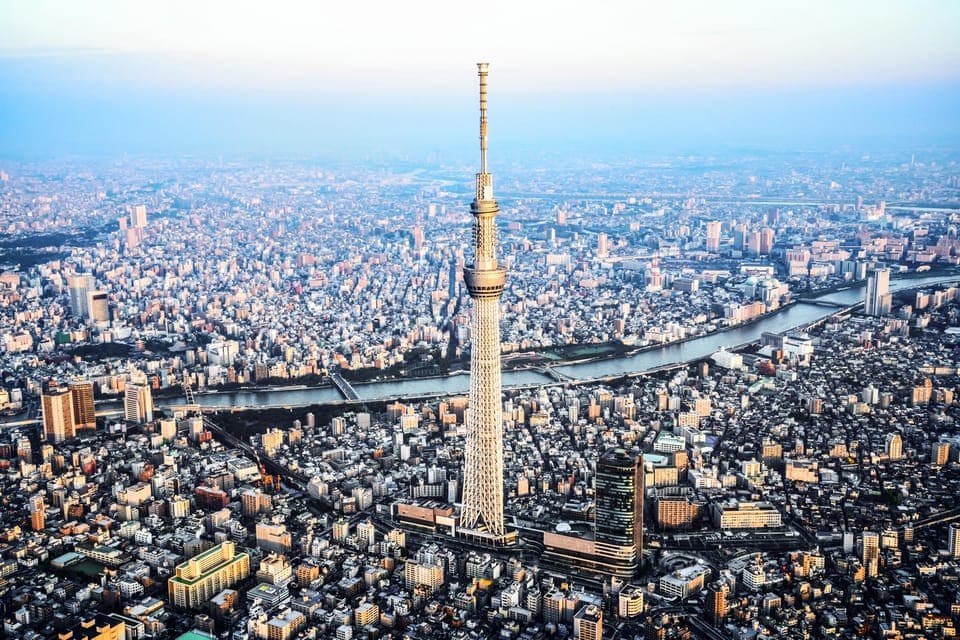
Tokyo is unlike any other city on Earth. The scale is staggering (the greater metro area is home to over 37 million people), the cultural norms are different from what most Western visitors are used to, and the language barrier can be genuinely challenging. While Tokyo is incredibly safe and well-organised, the sheer size and complexity of the city can leave first-time visitors feeling lost. This is where a good tour makes all the difference. A local guide not only navigates the maze-like train system and hidden backstreets for you but also provides cultural context that transforms your experience. Why do people clap twice at a shrine? What is the etiquette for eating ramen? Why are some streets silent at 14:00 and roaring with life at 22:00? These are the details that turn sightseeing into genuine understanding. Tokyo rewards those who dig beneath the surface. The best tours take you to places you would never find on your own: tiny 6-seat ramen shops in Golden Gai, centuries-old shrines hidden between skyscrapers, underground food halls beneath department stores, and neighbourhood streets where daily life unfolds far from the tourist crowds. A few well-chosen tours in your first days set you up to explore independently with confidence for the rest of your trip.

Temple and Shrine Tours

Japan's spiritual sites are among Tokyo's most powerful experiences, but without context, a shrine can feel like just another beautiful building. A guided temple tour explains the significance of Shinto and Buddhist traditions, teaches you proper etiquette (how to purify your hands, when to bow, how to make an offering), and reveals the symbolism woven into every detail of the architecture. The Meiji Shrine in Harajuku is the most popular starting point. Set in a 170-acre forest in the heart of the city, it honours Emperor Meiji and Empress Shoken. A guided visit here typically includes the approach through the towering torii gates, the main shrine complex, and the adjacent Yoyogi Park where you might catch cosplay gatherings on weekends. Tours typically cost 25 to 40 EUR and last 1.5 to 2 hours. Senso-ji in Asakusa is Tokyo's oldest temple, dating back to 645 AD. The approach through Nakamise-dori shopping street, with its traditional craft stalls and snack vendors, is an experience in itself. A combined Asakusa walking tour that includes Senso-ji, the surrounding traditional neighbourhood, and perhaps a rickshaw ride through the old streets is one of the most memorable introductions to Japanese culture you can book. For something more serene, early morning temple visits (before 08:00) offer a completely different atmosphere with almost no other visitors.

Recommended Tours

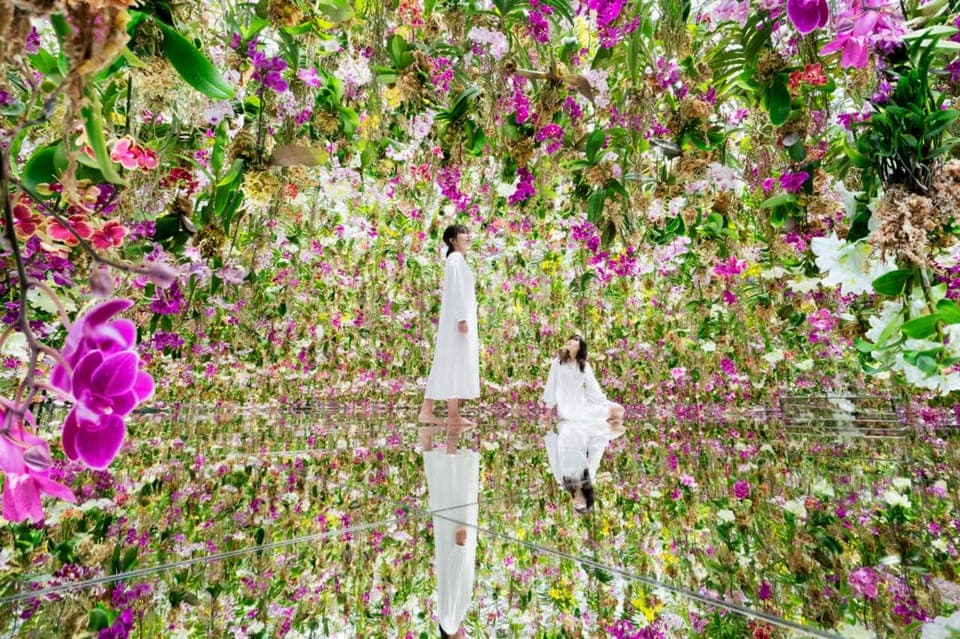
Colourful lights in Tokyo at night

teamLab Borderless

4.7
(18.6k+)
From $322-3 hours
Book Now
Torii gate at Meiji Shrine surrounded by trees in Tokyo

Meiji Shrine Tour

4.6
(7.8k+)
From $382.5 hours
Book Now

Tokyo Street Food and Market Tours

Japanese food culture is extraordinarily deep, and a food tour is one of the best investments you can make in Tokyo. The city has more Michelin stars than any other city in the world, but some of the most memorable meals come from tiny street stalls, standing-only noodle bars, and basement food courts that you would never find without local guidance. The Tsukiji Outer Market (the inner wholesale market moved to Toyosu, but the outer market still thrives) is the most popular food tour destination. A guided walk through the market introduces you to fresh sushi, tamagoyaki (sweet omelette), grilled seafood skewers, mochi, and seasonal specialities. Good tours include 8 to 12 tastings and cost 70 to 100 EUR per person. The portions are generous enough that the tour replaces lunch entirely. For something different, evening food tours through Shinjuku or Shibuya take you into the izakaya (Japanese pub) culture that locals love. You try yakitori, okonomiyaki, gyoza, and perhaps sake or Japanese whisky, all while your guide explains drinking etiquette and ordering customs. These tours are particularly valuable because many of the best izakayas have no English signage and can be intimidating to enter on your own. A food tour on your first or second evening in Tokyo will give you the confidence to explore independently for the rest of your trip.

Shibuya and Harajuku Tours

Shibuya Crossing is the world's busiest pedestrian intersection, and watching the organised chaos of up to 3,000 people crossing simultaneously from the Starbucks overlooking the square is a quintessential Tokyo moment. But Shibuya is much more than its famous crossing. A guided walking tour reveals the layers of this vibrant district, from underground shopping complexes to rooftop bars with panoramic city views. Harajuku, just one train stop from Shibuya, is the epicentre of Tokyo's youth culture and fashion. Takeshita-dori is the famous narrow street packed with quirky fashion shops, crepe stands, and themed cafes. A guide helps you navigate the sensory overload and points out the most interesting shops, the best places for Japanese crepes and cotton candy, and the contrast between the wild fashion scene and the serene Meiji Shrine just a few minutes away. Combined Shibuya-Harajuku walking tours typically last 3 to 4 hours and cost 40 to 60 EUR. They work well as an afternoon tour, starting in Harajuku around 13:00 and ending in Shibuya as the evening energy picks up. Some tours include a visit to Cat Street (a quieter, more upscale alternative to Takeshita-dori) and the hidden backstreets of Ura-Harajuku where independent Japanese designers have their studios.

Recommended Tours

Fresh sushi and seafood at Tsukiji Market in Tokyo

Tsukiji Food Tour

4.8
(9.4k+)
From $753 hours
Book Now
Mount Fuji reflected in a lake at sunset

Mount Fuji Day Trip

4.5
(21.3k+)
From $125Full day (11 hours)
Book Now

Akihabara and Otaku Culture

Akihabara, known as "Electric Town," is the global capital of anime, manga, and gaming culture. Even if you are not a devoted fan, a guided tour of Akihabara is a fascinating window into a massive subculture that influences entertainment worldwide. Multi-storey arcades, figure shops, maid cafes, and electronics stores create a neon-soaked landscape that feels like stepping into a video game. Guided Akihabara tours typically cost 30 to 50 EUR and last 2 to 3 hours. A good guide explains the history of otaku culture, takes you to the best shops for specific interests (vintage games, rare manga, electronics), and navigates the maid cafe experience so you understand the customs and etiquette. Without a guide, the sheer volume of shops and the language barrier can make it hard to find the genuinely interesting spots among the tourist traps. For gamers, the multi-floor arcades are a highlight. Japan still has a thriving arcade culture, with games you will not find anywhere else in the world. Retro gaming stores sell consoles and cartridges from every era of gaming history. Whether you are buying souvenirs, exploring Japanese pop culture, or simply absorbing the atmosphere, Akihabara is a unique experience that deserves at least half a day.

Day Trips: Mount Fuji and Beyond

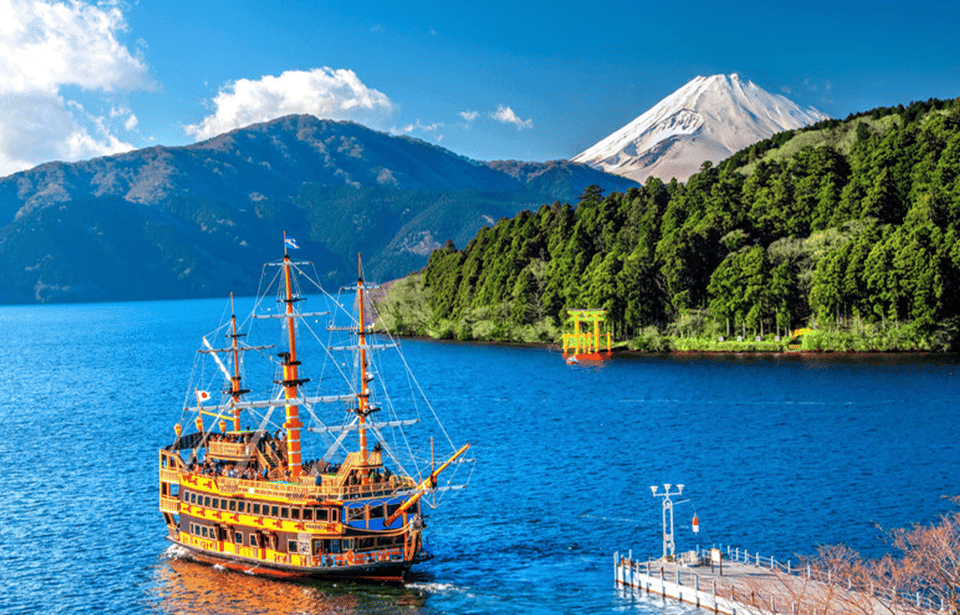
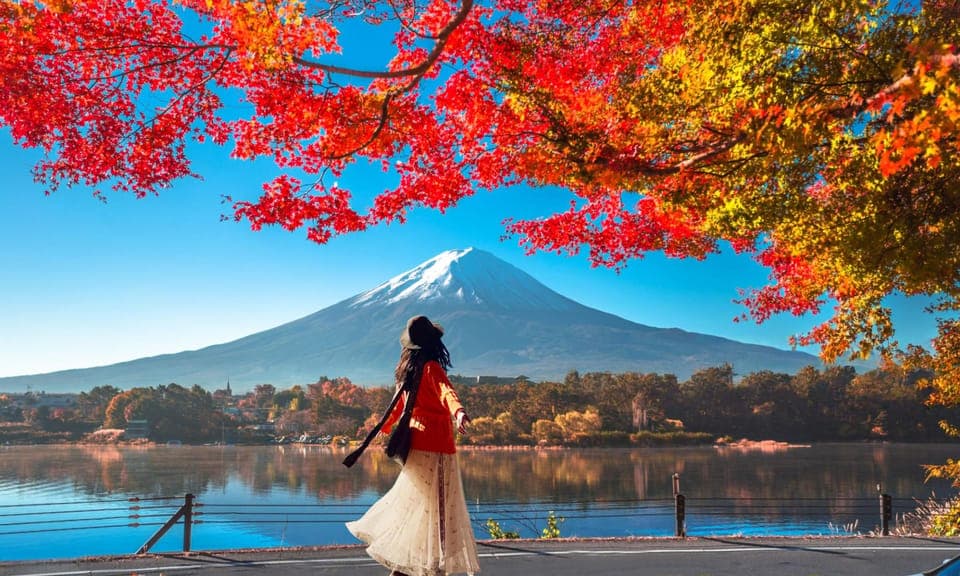
Mount Fuji is visible from Tokyo on clear days, and a day trip to Japan's most iconic mountain is one of the most popular excursions from the city. Full-day tours typically include stops at Lake Kawaguchi for the classic Fuji reflection photo, the Chureito Pagoda (the most photographed viewpoint in Japan), and either the Fuji Five Lakes area or the lower stations of the mountain. Tours cost 80 to 130 EUR and include bus transport from central Tokyo. The best time to see Mount Fuji is from November to February, when the air is clearest and the snow-capped peak is at its most iconic. Summer months (July and August) are the climbing season but ironically the worst for viewing, as the peak is often hidden in clouds. Spring (March to April) combines cherry blossom season with occasional clear Fuji views for a spectacular combination. Beyond Fuji, other excellent day trips include Kamakura (the ancient capital with its Great Buddha statue, about 1 hour south), Nikko (ornate shrines and natural hot springs, about 2 hours north), and Hakone (volcanic valley, hot springs, and lake views, about 1.5 hours southwest). Each offers a completely different experience from the metropolitan intensity of Tokyo, and organised tours handle the sometimes complicated train connections for you.

Recommended Tours

Shibuya Crossing lit up at night in Tokyo

Shibuya Walking Tour

4.7
(6.5k+)
From $423 hours
Book Now

Getting Around Tokyo: Transport Tips

Tokyo's train and subway system is the most efficient public transport network in the world, but it can be bewildering for first-time visitors. There are over 280 stations across multiple operators (JR East, Tokyo Metro, and Toei), and during rush hour (07:30 to 09:30), trains are packed to 180 percent capacity. Understanding the basics before you arrive will save you significant stress. Buy a Suica or Pasmo IC card at any train station. These rechargeable cards work on all trains, subways, buses, and even convenience stores. Tap in and tap out, and the system calculates the cheapest fare automatically. A 72-hour Tokyo Metro pass (1,500 yen, roughly 10 EUR) is excellent value if you plan to use the subway heavily. Most tours include hotel pickup or meet at easily accessible train stations, so transport is rarely a problem on tour days. For independent exploration, Google Maps is your best friend. It shows real-time train schedules, walking directions, and even tells you which platform to use. One practical tip: avoid the trains between 07:30 and 09:30 and between 17:30 and 19:30 on weekdays unless you enjoy being compressed into a human sardine tin.

Essential Tips for First-Time Tokyo Visitors

Cash is still king in many Tokyo establishments, despite Japan's reputation for technology. While major tourist attractions and chain stores accept cards, many small restaurants, street food stalls, and traditional shops are cash only. Withdraw yen from 7-Eleven ATMs (they accept all international cards with no issues) and carry at least 10,000 to 20,000 yen in cash at all times. Tipping is not customary in Japan and can actually cause confusion or embarrassment. The price you see is the price you pay. Service in Japan is already exceptionally attentive by global standards, and staff take pride in doing their job well without the expectation of a tip. At restaurants, simply say "gochisousama deshita" (thank you for the meal) when you leave. Shoes come off more often than you might expect: at temples, traditional restaurants, some shops, and any time you enter a Japanese home. Wear shoes that are easy to slip on and off, and make sure your socks are in good condition. Bathrooms in Japan are famously high-tech, with heated seats and bidet functions, but do not be alarmed by the button panel. The important buttons are usually marked in English or with universal symbols. Finally, silence on public transport is a strict social norm, so keep phone calls and conversations to a whisper on trains.

Related Tours

Frequently Asked Questions

More Travel Guides