Free cancellation on most toursBest price guaranteed

Best European Christmas Market Tours 2026

Europe's Christmas markets are a winter highlight. This guide covers the best markets and tours in Vienna, Prague, Budapest, Amsterdam, and Edinburgh for 2026.

Published: 30 March 2026ยทUpdated: 30 March 2026

Vienna: The Original Christmas Market Experience

Vienna has been hosting Christmas markets since the 13th century, making it one of the oldest and most authentic destinations for the tradition. The Christkindlmarkt in front of the Rathaus (City Hall) is the city's centrepiece, with over 150 stalls selling handcrafted ornaments, wooden toys, candles, and traditional treats beneath the glow of thousands of lights. The backdrop of the illuminated Gothic city hall creates a scene that feels like stepping into a snow globe. The Schonbrunn Palace Christmas market offers a more refined atmosphere, set in the courtyard of the former imperial summer residence. The stalls here focus on quality artisan crafts and premium food products, and the palace illumination adds a regal touch that is uniquely Viennese. For something smaller and more local, the Spittelberg market in the 7th district winds through narrow Biedermeier-era streets and attracts a creative crowd with handmade jewellery, ceramics, and local wines. A guided Christmas market tour in Vienna typically includes tastings of Gluhwein (mulled wine), Punsch (a stronger warm punch), Maroni (roasted chestnuts), and Kartoffelpuffer (potato pancakes). The best tours combine market visits with stops at historic cafes for Sachertorte and Viennese coffee. Markets generally run from mid-November to late December, with the Rathaus market staying open until early January.

Prague: Fairy-Tale Markets in the Old Town

Prague's Christmas markets transform the Old Town Square into one of the most magical settings in Europe. The twin Gothic spires of the Church of Our Lady before Tyn rise above the wooden market stalls, and the massive Christmas tree at the centre of the square provides a focal point that draws visitors from early morning until late evening. The atmosphere, combining medieval architecture with twinkling lights and the scent of cinnamon and roasting meat, is genuinely enchanting. The food at Prague's markets is hearty and affordable. Trdelnik, a chimney-shaped pastry rolled in sugar and walnuts, has become the iconic Czech Christmas treat (though locals will tell you it is actually Slovak in origin). Klobasa (grilled sausages), svicene veprove (roast ham carved from an enormous joint right in front of you), and hot mead provide the fuel to keep you warm as you browse the stalls. A pint of Czech beer from a market stand costs around 80 CZK (roughly ยฃ2.50), making Prague one of the most affordable Christmas market destinations. A second major market in Wenceslas Square offers a longer, more commercial experience, while smaller neighbourhood markets in Namesti Miru and Kampa Island provide quieter alternatives. Guided tours that combine both main markets with a walking tour of the illuminated Old Town are the best way to experience Prague at Christmas. Markets typically run from late November to early January.

Recommended Tours

Prague Old Town Square with Astronomical Clock tower

Old Town Walking Tour

4.7
(15.2k+)
From โ‚ฌ202.5 hours
Book Now
Amsterdam canal with boats and historic houses

Canal Cruise

4.4
(28.6k+)
From โ‚ฌ161 hour
Book Now

Budapest: Thermal Baths and Winter Lights

Budapest combines Christmas markets with one of Europe's most unique winter experiences: soaking in open-air thermal baths while snow falls around you. The Szechenyi Baths, with their grand Neo-Baroque architecture and steaming outdoor pools, are particularly magical in December. Many visitors combine a morning at the baths with an afternoon at the markets, creating a winter day that is hard to beat anywhere in Europe. The main Christmas market at Vorosmarty Square in central Pest is one of the best organised in the region. Local artisans sell traditional Hungarian crafts including hand-painted ceramics, embroidered textiles, and intricate wooden carvings. The food stalls serve Hungarian specialities like langos (deep-fried dough with sour cream and cheese), kurtoskalacs (chimney cake), and goulash in bread bowls. The quality of the food and crafts has improved significantly in recent years as the market has gained international recognition. The Danube promenade between the Chain Bridge and the Parliament Building is transformed by the Budapest Winter Festival into a kilometre-long celebration with an ice skating rink, light installations, and additional market stalls. A Danube cruise at night during December offers stunning views of both the Christmas-lit Pest embankment and the illuminated Buda Castle and Fisherman's Bastion on the opposite bank. Budapest markets run from mid-November to early January.

Amsterdam: Canal-Side Festive Charm

Amsterdam's Christmas celebrations are intertwined with the Amsterdam Light Festival, which illuminates the city's canals with spectacular art installations from late November through mid-January. A canal cruise during the festival takes you past light sculptures created by international artists, reflected in the dark water of the canals. It is a completely different experience from the typical market visit and one of the most memorable ways to celebrate the season in any European city. The Ice Village Amsterdam on Museumplein (Museum Square) combines a Christmas market with an ice skating rink set between the Rijksmuseum and the Van Gogh Museum. The setting is extraordinary, with the museum buildings providing an architectural backdrop that few markets can match. Stalls sell Dutch specialities including stroopwafels, oliebollen (deep-fried doughnut balls traditional at New Year), and warm chocomelk (hot chocolate). The market is compact but carefully curated. For a more local experience, the Funky Xmas Market at Westergas, held in a converted gasworks, features independent designers, vintage finds, and creative gifts that appeal to Amsterdam's artistic community. The city's brown cafes (traditional Dutch pubs) are at their cosiest during December, with candles, warm beer, and the concept of gezelligheid (a uniquely Dutch word for warmth, togetherness, and good cheer) in full effect. Amsterdam's Christmas season runs from late November through early January.

Recommended Tours

Budapest Parliament illuminated at night seen from the Danube River

Danube Evening Cruise

4.5
(11.2k+)
From โ‚ฌ221 hour
Book Now

Edinburgh: Hogmanay and Highland Traditions

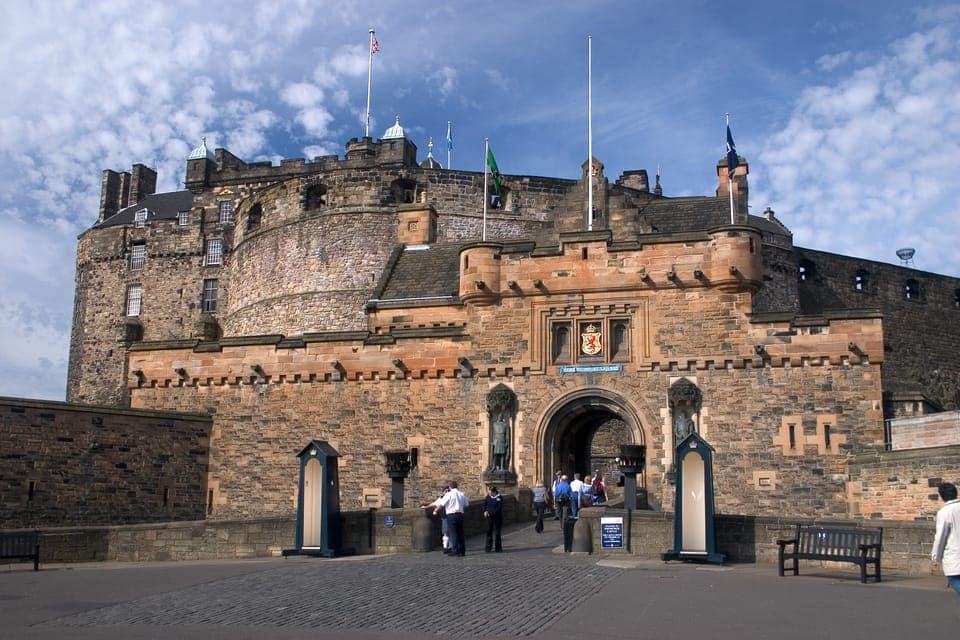
Edinburgh's Christmas celebrations are among the most ambitious in the UK, transforming the city centre into a winter wonderland that runs from mid-November through early January. The Christmas market in Princes Street Gardens, set against the dramatic backdrop of Edinburgh Castle, features a big wheel, a German-style market, and an ice rink. The views from the top of the wheel, looking up at the castle illuminated against the winter sky, are unforgettable. The Royal Mile hosts its own market with a focus on Scottish crafts and produce. Harris Tweed accessories, Edinburgh gin, Scottish fudge and tablet, and handmade tartan scarves are popular gifts. Mulled wine and hot toddy (whisky, honey, lemon, and hot water) warm visitors as they browse, and the architecture of the Old Town provides an atmospheric setting that rivals any Continental market. The Scottish storytelling tradition comes alive in the market entertainment, with live music and performances throughout the season. Edinburgh truly comes into its own for Hogmanay, Scotland's New Year celebration, which is one of the biggest street parties in the world. The Torchlight Procession on 30 December sees thousands of people carry flaming torches through the Old Town, and the midnight fireworks over the castle are spectacular. Many visitors combine a Christmas market visit in late December with Hogmanay celebrations, making Edinburgh a compelling two-in-one winter destination.

Planning Tips for Christmas Market Trips
Timing matters significantly for Christmas market visits. The first two weeks of December tend to offer the best balance of full market operation, festive atmosphere, and slightly smaller crowds than the final week before Christmas. Many markets close on Christmas Eve or Christmas Day and reopen for a brief post-Christmas period. Check specific dates for your destination as they vary by city and sometimes by individual market. Weekday visits are noticeably quieter than weekends, particularly at the most famous markets in Vienna and Prague. If you can travel midweek, you will have a much more relaxed experience with shorter queues at food stalls and more time to browse crafts without feeling rushed. Late afternoon and early evening (4pm to 7pm) is when the atmosphere peaks, as the lights come on and the markets transition from daytime browsing to evening socialising. Pack warm layers, waterproof boots, and gloves that allow you to use your phone for photos. Carry cash in small denominations as many market stalls, particularly at smaller markets, do not accept cards. Budget 30 to 50 EUR per market visit for food, drinks, and a small gift or souvenir. Booking accommodation early is essential, as December is peak season in all of these cities and prices rise sharply in the weeks before Christmas.

Related Tours

Frequently Asked Questions

More Travel Guides