
Tokyo Cherry Blossom Season 2026: Best Tours & Viewing Spots
Everything you need to plan the perfect Tokyo cherry blossom trip in 2026, from peak bloom dates to the best parks, tours, and hanami picnic spots.
Cherry blossom season in Tokyo is one of those rare travel experiences that genuinely lives up to the hype. For roughly two weeks each spring, the city transforms as thousands of sakura trees burst into clouds of pale pink and white blossoms. Parks fill with hanami (flower-viewing) picnics, temples gain a dreamlike backdrop, and the entire city takes on a celebratory atmosphere that is unlike anything else in the world.
Planning a trip around cherry blossom season requires some careful timing since the bloom window is short and the exact dates shift each year. This guide covers everything you need to know for 2026, from predicted bloom dates to the best viewing spots, tours, and practical tips.
When Do Cherry Blossoms Bloom in Tokyo?
Tokyo's cherry blossoms typically reach full bloom (mankai) between late March and early April. The exact dates vary each year depending on winter temperatures, but the historical average puts first bloom around March 22 to 26 and full bloom about one week later around March 29 to April 3.
For 2026, early forecasts suggest:
- First bloom (kaika): Around March 22 to 25, when the first flowers open on sample trees monitored by the Japan Meteorological Agency.
- Full bloom (mankai): Around March 29 to April 3, when approximately 80% of buds have opened. This is the peak viewing window.
- Petal fall (sakura fubuki): Around April 5 to 10, when petals begin falling like snow. Many people consider this the most beautiful phase.
The entire viewing season from first bloom to the last petals falling typically lasts about two weeks. If you can only visit for a few days, aim for the full bloom period or just after, when you get both peak blossoms and the magical petal fall.
Best Cherry Blossom Viewing Spots in Tokyo
1. Ueno Park
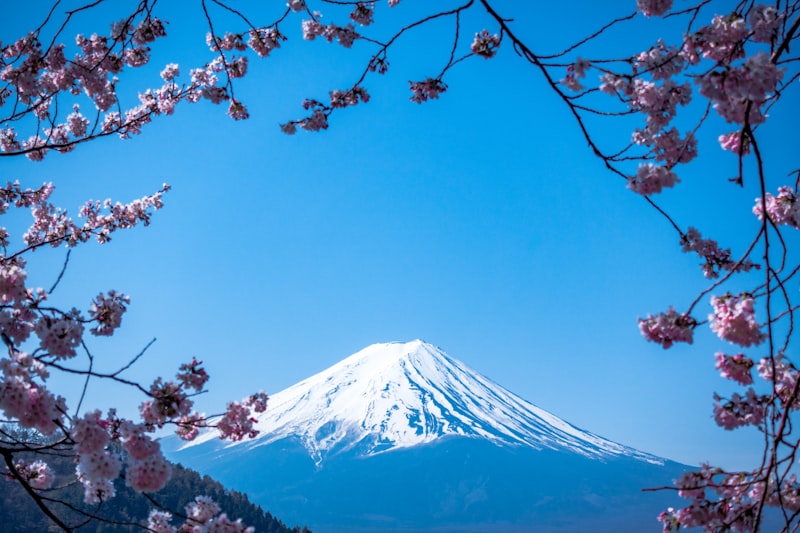
Ueno Park is Tokyo's most famous hanami destination, with over 800 cherry trees lining the main pathway. During peak bloom, the park becomes a continuous celebration with thousands of people spreading blue tarps for picnics beneath the blossoms. The atmosphere is festive and joyful, with food stalls, street performers, and a genuine sense of community.
Visit early morning (before 8am) for peaceful photo opportunities, or come in the evening when the trees are illuminated. The downside is crowds: Ueno is extremely popular, and the main walkway can feel like a slow-moving queue during peak weekends.
2. Shinjuku Gyoen National Garden
For a more refined cherry blossom experience, Shinjuku Gyoen is hard to beat. This expansive garden in central Tokyo has over 1,000 cherry trees across multiple varieties, which means the bloom period here extends longer than most spots. Early-blooming varieties start in mid-March, while late varieties can last into mid-April.
The garden charges a 500-yen entry fee and prohibits alcohol, which keeps the atmosphere calm and contemplative compared to Ueno. The combination of Japanese, English, and French garden styles creates beautiful compositions for photography. Note that it is closed on Mondays.
3. Chidorigafuchi Moat
The moat surrounding the Imperial Palace at Chidorigafuchi offers one of Tokyo's most iconic cherry blossom scenes. Over 200 cherry trees line the water's edge, and during full bloom their branches drape over the moat creating a tunnel of pink. You can rent a rowboat and paddle beneath the blossoms for an unforgettable perspective.
Evening illumination (yozakura) here is spectacular, with the lit blossoms reflecting in the water. Arrive by 5:30pm to secure a rowboat before sunset, or simply walk the 700-metre promenade along the moat.
4. Meguro River
The Meguro River in Nakameguro is where Tokyo's stylish young residents go for cherry blossom season. Over 800 trees line both banks for nearly four kilometres, creating a pink canopy over the water. The neighbourhood is full of independent cafes, boutiques, and restaurants that set up outdoor seating during sakura season.
This is arguably the most photogenic cherry blossom spot in Tokyo, particularly in the early evening when paper lanterns illuminate the trees. The area around Nakameguro Station gets extremely crowded at peak times, so visit on a weekday if possible.
5. Sumida River and Sumida Park
For a less crowded alternative, Sumida Park along the Sumida River near Asakusa offers lovely cherry blossom views with Tokyo Skytree in the background. There are around 640 trees along the riverbanks, and the combination of traditional Asakusa, the blossoms, and the modern Skytree creates a uniquely Tokyo composition.
River cruises during cherry blossom season are particularly special here. You can board a water bus from Asakusa and cruise down the Sumida River beneath blooming trees on both banks.
Best Cherry Blossom Tours in Tokyo
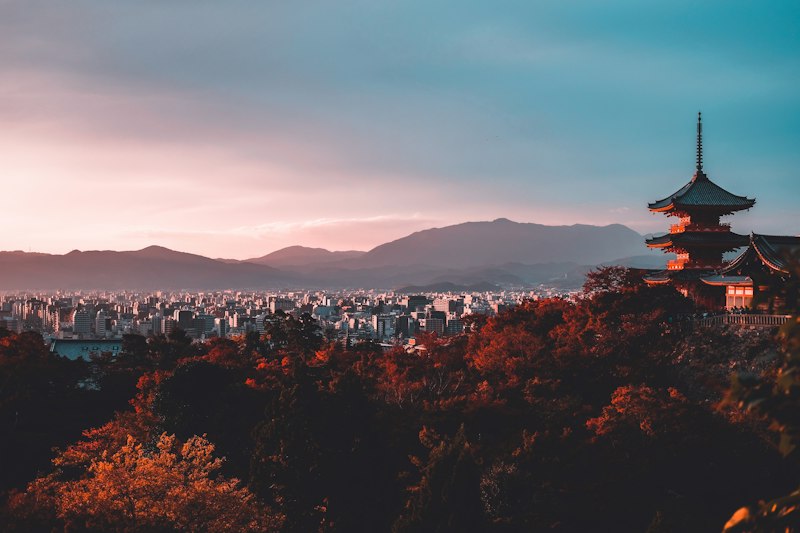
Guided Cherry Blossom Walking Tours
Several operators run dedicated sakura walking tours during bloom season. These typically visit three to four of the best viewing spots over three to four hours, with a knowledgeable guide explaining the cultural significance of hanami, the different cherry tree varieties, and the history behind each location.
The advantage of a guided tour is access to local knowledge. Your guide will know exactly which spots are at peak bloom on any given day (different varieties bloom at different times), which viewpoints are least crowded, and the best times for photography. Many tours include a hanami picnic with traditional Japanese snacks and drinks.
Browse Tokyo cherry blossom tours →
Photography Tours
If capturing the perfect sakura shot is your priority, photography-focused cherry blossom tours are worth the investment. Led by local photographers, these tours visit locations at optimal times for lighting (usually early morning or golden hour) and teach composition techniques specific to cherry blossom photography.
Expect to visit spots like Chidorigafuchi at dawn, temple gardens with minimal crowds, and lesser-known residential streets where single cherry trees create stunning compositions against traditional architecture.
Evening Illumination Tours
Yozakura (night-time cherry blossom viewing) is a tradition in its own right. Evening tours visit illuminated spots like Chidorigafuchi moat, Ueno Park, and Rikugien Garden, where carefully placed lights transform the trees into glowing pink canopies against the night sky.
These tours typically start around 5:30pm and last two to three hours. The atmosphere is magical and very different from daytime viewing. Some tours include dinner at a traditional izakaya between viewing spots.
Hanami Etiquette: How to Picnic Like a Local
Hanami picnics are central to cherry blossom season. If you want to join in (and you should), here are the key etiquette points:
- Arrive early to claim your spot. In popular parks like Ueno, people send someone ahead in the morning to lay a blue tarp and reserve space. By midday, all the prime spots are taken.
- Bring your own supplies. Conbini (convenience stores) near popular parks stock special hanami bento boxes, snacks, and drinks during sakura season. Lawson, 7-Eleven, and FamilyMart all have excellent selections.
- Do not touch or shake the trees. This is considered extremely rude and can damage the blossoms. Admire from below.
- Clean up everything. Leave your spot exactly as you found it. Bring rubbish bags and take everything with you. The Japanese take this very seriously.
- Keep noise at reasonable levels. Hanami is joyful and celebratory, but extremely loud groups are frowned upon, especially in the evenings.
- Respect reserved spaces. If a tarp is laid out with bags or shoes on it, the spot is taken even if nobody is sitting there.
Practical Tips for Cherry Blossom Season
- Book accommodation early. Hotels in Tokyo fill up months in advance for peak cherry blossom season. Book by December for the best selection and prices.
- Check the forecast regularly. The Japan Meteorological Corporation and weather websites publish updated bloom forecasts from January onwards. Adjust your plans based on the latest predictions.
- Have a backup plan. If the main parks are too crowded, head to residential neighbourhoods where local cherry trees line quiet streets. Some of the most beautiful sakura moments happen away from the famous spots.
- Layer your clothing. Late March and early April in Tokyo can range from 8 to 18 degrees Celsius. Mornings and evenings are cool, but midday sun can be warm.
- Visit on weekday mornings. Weekend crowds at popular spots are intense. If your schedule allows, weekday mornings offer the most peaceful viewing experience.
- Try different times of day. Dawn, midday, golden hour, and evening illumination all show the blossoms in completely different light. Each has its own beauty.
Beyond Tokyo: Day Trips for Cherry Blossoms
If you have extra days, consider day trips from Tokyo to see sakura in different settings:
- Kamakura: Cherry blossoms framing ancient temples and the Great Buddha. About one hour from Tokyo by train.
- Mount Yoshino (Nara): Considered Japan's most spectacular cherry blossom site, with 30,000 trees covering an entire mountainside. Reachable as a long day trip via Shinkansen.
- Kawaguchiko: Cherry blossoms with Mount Fuji in the background. The classic Japanese postcard shot. About 2.5 hours from central Tokyo by bus.
Frequently Asked Questions
Related Articles


Ready to Book Your Tour?
Browse hundreds of tours and experiences worldwide with free cancellation and best price guaranteed.
Browse All Tours