Free cancellation on most toursBest price guaranteed

Best Cooking Classes Around the World: Learn to Cook Like a Local

From Parisian croissants to Balinese curries, these are the best cooking classes around the world for travellers who want to bring flavours home with them.

Published: 30 March 2026ยทUpdated: 30 March 2026

Paris: Master the Art of French Patisserie

Paris is the world capital of pastry, and taking a baking class here connects you to a tradition that has been refined over centuries. The best classes focus on a single discipline, whether that is croissant making, macaron piping, or classic tarte construction, and take you through every step with the precision that French patisserie demands. Expect to spend three to four hours learning techniques that professional bakers train for years to perfect. Many Parisian cooking schools are housed in stunning locations, from Haussmann-era apartments with marble countertops to converted artist studios in Montmartre. The atmosphere is part of the experience. Classes are typically small (6 to 12 participants), which means plenty of individual attention from the instructor. You leave with your creations boxed up to take away, along with recipe cards and the confidence to attempt them at home. Savoury classes are also available, covering everything from coq au vin and French onion soup to the art of assembling the perfect cheese board. A market visit followed by a cooking session is a particularly rewarding format, as you learn how to select ingredients like a Parisian before transforming them into a meal.

Istanbul: Spice Markets and Meze Mastery

Istanbul sits at the crossroads of Europe and Asia, and its cuisine reflects centuries of Ottoman, Mediterranean, and Middle Eastern influences. A cooking class here typically begins with a guided visit to a spice market, where the aromas of sumac, Aleppo pepper, dried mint, and Turkish saffron fill the air. Learning which spices pair with which ingredients is fundamental to Turkish cooking, and the market visit alone is worth the price of the class. The dishes you learn to prepare in an Istanbul cooking class are deeply satisfying. Meze, the collection of small dishes that begins every Turkish meal, might include hummus with cumin-infused butter, sigara boregi (crispy feta pastries), and muhammara (walnut and red pepper dip). Main courses often feature slow-cooked lamb, stuffed aubergines, or the layered pastry masterpiece that is borek. The techniques are approachable for home cooks, which means you can genuinely recreate these dishes in your own kitchen. Classes in Istanbul are typically held in residential neighbourhoods like Sultanahmet or Kadikoy, giving you a glimpse into local life that tourist restaurants cannot provide. Many include a Turkish tea ceremony or coffee preparation as a finishing touch. The combination of market shopping, hands-on cooking, and communal dining makes Istanbul one of the most complete cooking class experiences anywhere.

Recommended Tours

Freshly baked golden croissants on a baking tray

Croissant Baking Class

4.9
(2.1k+)
From โ‚ฌ853 hours
Book Now
A spread of colourful Turkish meze dishes and bread

Turkish Cooking Class

4.9
(2.1k+)
From TRY 15004 hours
Book Now

Bali: Temple Offerings and Tropical Flavours

Balinese cooking classes are among the most immersive food experiences in Southeast Asia. Most begin with an early-morning visit to a traditional market, where your instructor teaches you to identify unfamiliar ingredients like galangal, kaffir lime leaves, lemongrass, and candlenuts. The tropical produce is extraordinary, with fruits, spices, and vegetables that you simply cannot find at home, making the market tour an education in itself. The cooking itself usually takes place in an open-air kitchen surrounded by rice paddies or tropical gardens. You learn to prepare a full Balinese meal from scratch, starting with the base gede (the complex spice paste that forms the foundation of most Balinese dishes). From there, you might make chicken or tofu satay with peanut sauce, lawar (a spiced coconut and vegetable salad), and nasi goreng (fried rice). The emphasis is on balance, with every dish combining sweet, sour, salty, bitter, and umami elements. What sets Balinese cooking classes apart is the cultural context. Many instructors weave in explanations of Hindu ceremonies, temple offerings, and the spiritual significance of food in Balinese life. Some classes include a visit to a local temple or a demonstration of how daily offerings (canang sari) are assembled. At around 20 to 35 USD per person, Bali also offers the best value cooking classes of any major tourist destination.

Tokyo: Wagashi, Sushi, and Tea Ceremonies
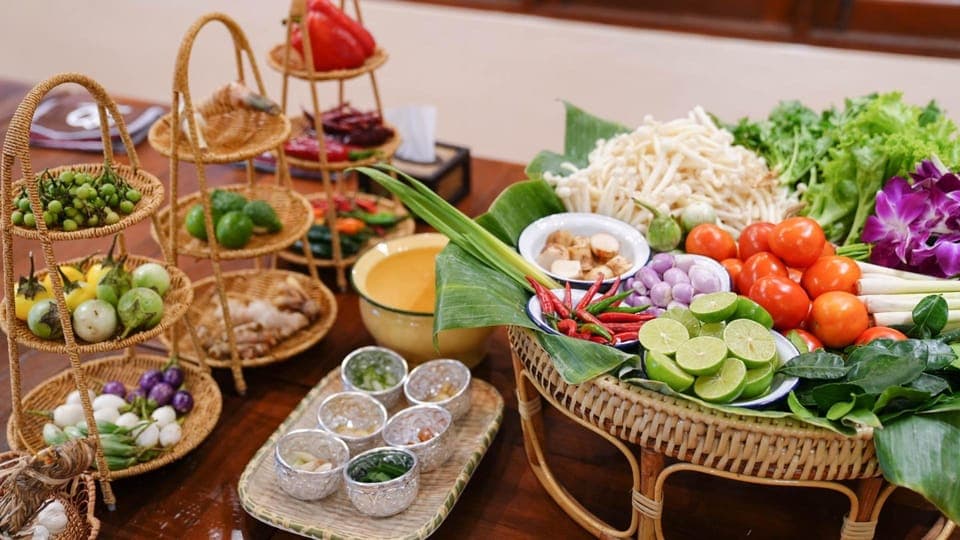
Japanese cooking classes in Tokyo range from the intensely precise art of sushi making to the delicate beauty of wagashi (traditional Japanese sweets). Sushi classes teach you the proper technique for preparing vinegared rice, slicing fish, and forming nigiri and maki rolls. The attention to detail is extraordinary, with instructors explaining how the angle of the knife, the temperature of the rice, and the pressure of your hands all affect the final result. Wagashi classes offer something completely different, combining confectionery with artistry. These traditional sweets, often served alongside matcha tea, are shaped to reflect the current season, from cherry blossoms in spring to maple leaves in autumn. Learning to form these delicate creations from sweet bean paste, rice flour, and natural colourings is both meditative and surprisingly challenging. Many wagashi classes include a full tea ceremony, teaching you the proper etiquette for preparing and receiving matcha. Ramen-making classes have become increasingly popular, taking you through the lengthy process of building a rich broth, preparing tare (the concentrated seasoning), making fresh noodles, and assembling the final bowl. These classes typically run four to five hours and give you a deep appreciation for why great ramen shops take such pride in their craft. Tokyo cooking classes are on the higher end price-wise (80 to 150 USD), but the quality of instruction is consistently exceptional.

Recommended Tours

Moroccan tagine dish with fresh ingredients

Cooking Class

4.8
(5.6k+)
From $424 hours
Book Now
Freshly baked pasteis de nata with caramelised tops

Pastel de Nata Class

4.9
(1.4k+)
From โ‚ฌ552 hours
Book Now

Lisbon: Pasteis de Nata and Portuguese Seafood

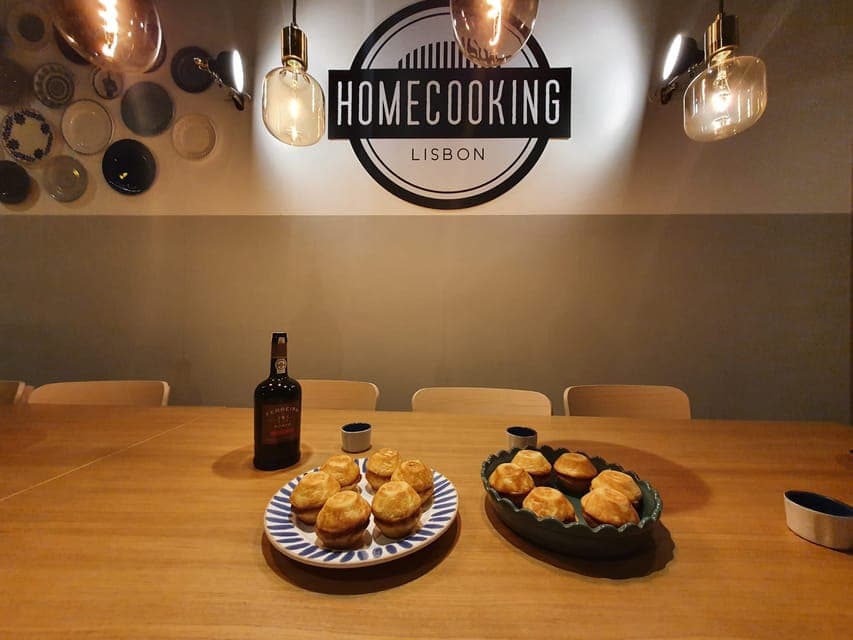
Lisbon has emerged as one of Europe's most exciting food destinations, and its cooking classes reflect a cuisine that is both deeply traditional and increasingly innovative. The star attraction is learning to make pasteis de nata, the flaky custard tarts that originated in the Jeronimos Monastery and are now Portugal's most famous culinary export. Getting the pastry thin enough and the custard filling perfectly set requires technique that a good class will patiently teach you. Seafood classes in Lisbon tap into Portugal's long maritime heritage. You might learn to prepare bacalhau (salt cod) in one of its legendary 365 variations, or master the art of cataplana, a copper-pot seafood stew from the Algarve that combines clams, prawns, and chorizo with white wine and herbs. The emphasis on fresh, seasonal seafood means the dishes you learn are tied to what the Atlantic provides that day. Many Lisbon cooking classes take place in the traditional neighbourhoods of Alfama or Mouraria, where family-run tascas (taverns) have been serving simple, honest food for decades. Some classes are run by local grandmothers who share recipes that have never been written down, making the experience feel genuinely personal. At 50 to 80 EUR per person, Lisbon offers excellent value for European cooking classes.

Marrakech: Tagines, Couscous, and Moroccan Spice
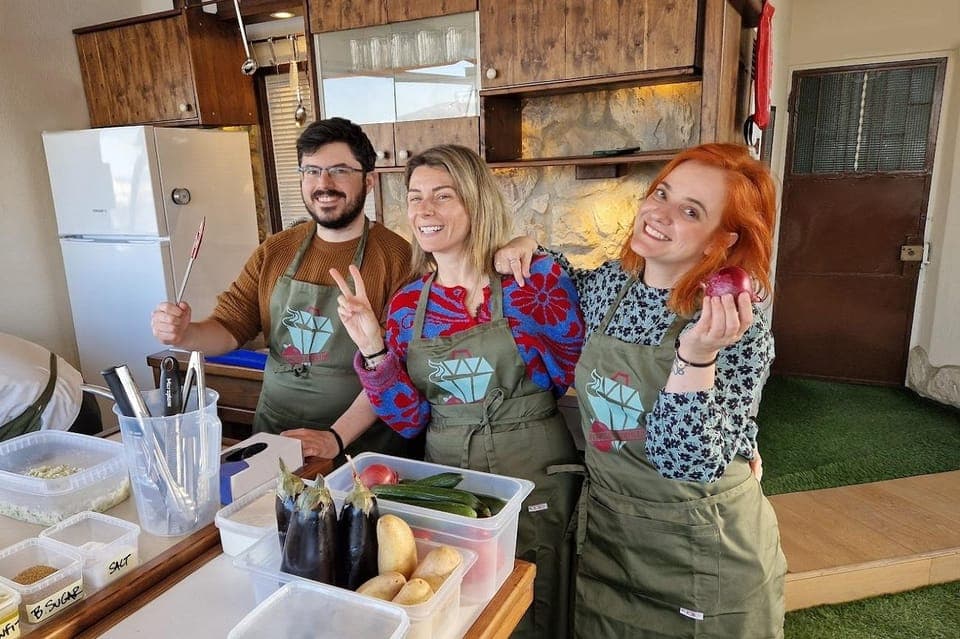
Cooking in Marrakech is a sensory experience that begins the moment you step into the spice souks. The aromas of ras el hanout, cumin, cinnamon, and preserved lemons surround you as your instructor guides you through the stalls, explaining how each spice is used in traditional Moroccan cooking. The market visit is typically followed by a walk through the produce section, where mountains of fresh herbs, olives, and seasonal vegetables are piled high. The tagine, Morocco's signature slow-cooked stew, is the centrepiece of most Marrakech cooking classes. You learn to layer ingredients in the conical clay pot so that the steam circulates and tenderises the meat while concentrating the flavours. Chicken with preserved lemon and olives, lamb with prunes and almonds, and vegetable tagine with chickpeas are classic combinations. Alongside the tagine, you might prepare hand-rolled couscous (a process that takes genuine skill), Moroccan salads, and mint tea with the proper pouring technique. Classes in Marrakech often take place on rooftop terraces with views across the medina to the Atlas Mountains, creating an atmosphere that makes the experience unforgettable. The communal meal at the end, eaten with bread in the traditional Moroccan way, is always a highlight. Prices are very reasonable at 30 to 60 EUR per person, and the skills you learn translate easily to home cooking.

Recommended Tours

Beautifully shaped wagashi Japanese sweets on a traditional plate

Wagashi & Tea Ceremony

4.9
(600)
From ยฅ85002 hours
Book Now

Related Tours

Frequently Asked Questions

More Travel Guides